
Many Chinese manufacturers face a silent but critical challenge: their products are technically strong—but they don’t resonate with international buyers. Why? Because in global B2B markets, trust isn't built through specs alone. It’s earned through storytelling, cultural alignment, and clear value anchoring.
Misconception 1: “If the product is good, buyers will come.”
Reality: Global procurement teams need context—not just features. A 2023 survey by Alibaba Trade Assurance found that 74% of European buyers said they needed more than technical data—they wanted to understand how your product solves real-world problems.
Misconception 2: “Culture doesn’t matter in B2B.”
Reality: In Germany, buyers prioritize precision and compliance; in the UAE, relationships drive decisions. Ignoring this leads to miscommunication—even when your material meets ASTM standards.
Misconception 3: “We’re just another supplier.”
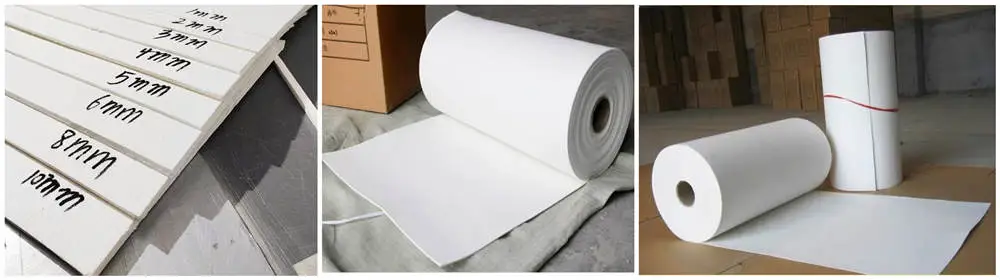
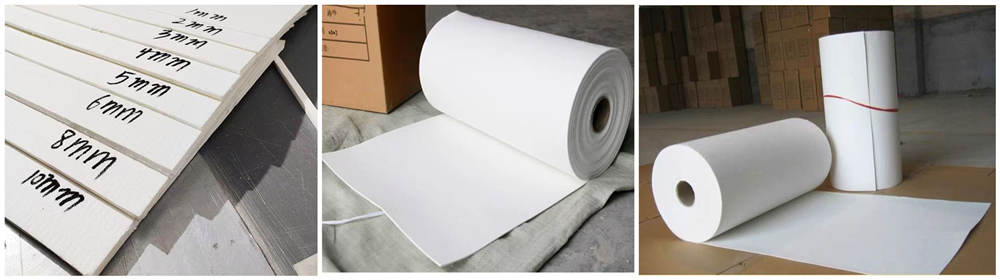
Reality: Without differentiation, you become invisible. The key? Anchor your USP with hard numbers—like how Zhengzhou Rongsheng’s ceramic fiber short-cut wool delivers up to 30% energy savings compared to traditional refractory bricks (based on lab tests at TÜV Rheinland).
“We used to send catalogs. Now we show our factory in action—and clients actually ask for samples.” — Maria K., Procurement Manager, German Steel Plant
Rongsheng didn’t just sell ceramic fiber short-cut wool—they showed its impact. Their content strategy focused on three pillars:
This is what we call value anchoring: making abstract advantages concrete. When a buyer sees “30% less fuel consumption” instead of “high-performance material,” it becomes an ROI decision—not a guess.
If you're still relying on static PDFs or generic product pages, you’re missing the opportunity to turn visitors into advocates. Here’s how to start:
Remember: In B2B, people buy from those who make them feel understood—not just informed.
See how Rongsheng’s ceramic fiber short-cut wool helped clients reduce downtime and boost efficiency—without changing their existing processes.
Explore the Case Study → 313
|
313
|
 B2B digital marketing customer perception experience ceramic fiber chopped cotton refractory material export website content optimization
60
|
ceramic fiber insulation blanket high-temperature industrial insulation refractory insulation materials CE certified insulation blanket energy-efficient thermal insulation
364
|
Ceramic fiber chopped cotton Product certification Cross - border e - commerce B2B foreign trade Refractory material certification
334
|
ceramic fiber short cut cotton industrial furnace insulation high temperature refractory material energy efficient refractory products B2B product page optimization
358
|
high-density calcium silicate insulation board customized high-temperature insulation Rongsheng refractory materials thermal insulation solutions energy-efficient insulation boards
B2B digital marketing customer perception experience ceramic fiber chopped cotton refractory material export website content optimization
60
|
ceramic fiber insulation blanket high-temperature industrial insulation refractory insulation materials CE certified insulation blanket energy-efficient thermal insulation
364
|
Ceramic fiber chopped cotton Product certification Cross - border e - commerce B2B foreign trade Refractory material certification
334
|
ceramic fiber short cut cotton industrial furnace insulation high temperature refractory material energy efficient refractory products B2B product page optimization
358
|
high-density calcium silicate insulation board customized high-temperature insulation Rongsheng refractory materials thermal insulation solutions energy-efficient insulation boards




.png?x-oss-process=image/resize,h_100,m_lfit/format,webp)
.png?x-oss-process=image/resize,h_100,m_lfit/format,webp)
.png?x-oss-process=image/resize,h_100,m_lfit/format,webp)


