

In industrial applications where temperatures exceed 1770°C, material integrity is not just a preference—it’s a necessity. For manufacturers in steelmaking, glass production, or ceramic processing, choosing the right refractory brick can mean the difference between consistent operation and costly downtime. Among the most reliable options available today is the carbon-based refractory produced by Rongsheng Refractory Materials, which combines proven thermal resistance with exceptional acid corrosion resistance.
The core strength of these carbon bricks lies in their ability to withstand extreme heat—typically ranging from 1770°C to 2000°C—without structural degradation. This makes them ideal for lining furnaces in blast furnaces, electric arc furnaces, and continuous casting systems. Unlike standard fireclay bricks that may crack under thermal shock, this product maintains dimensional stability even after repeated heating cycles, as validated through standardized testing protocols like ISO 18897 (refractory materials — determination of thermal expansion).
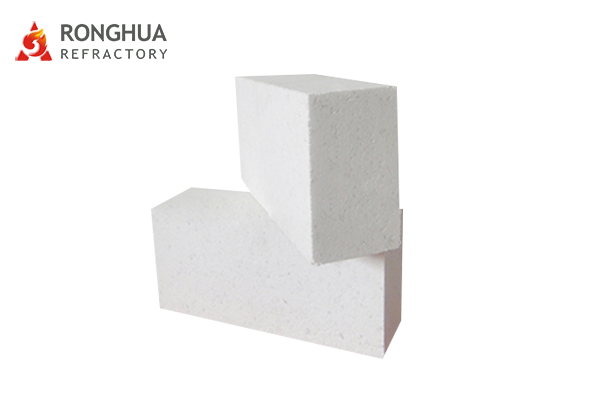
What sets Rongsheng's carbon bricks apart isn't just performance—it's consistency. The product carries both CE and ISO certifications, ensuring compliance with European safety standards (EN 18897) and international quality management systems (ISO 9001). These aren’t mere labels—they represent rigorous third-party audits, traceable manufacturing processes, and documented batch-to-batch uniformity. For buyers in Germany, the UK, or the UAE, such certifications reduce risk and accelerate procurement decisions.
In a case study from a major glass manufacturer in Italy, switching to high-purity carbon bricks reduced furnace lining replacement frequency by over 40%, translating to an estimated €85,000 annual savings in maintenance costs. Similarly, a steel plant in South Korea reported a 15% improvement in energy efficiency due to better heat retention—a direct result of the brick’s low thermal conductivity (measured at ~1.2 W/m·K at 1000°C).
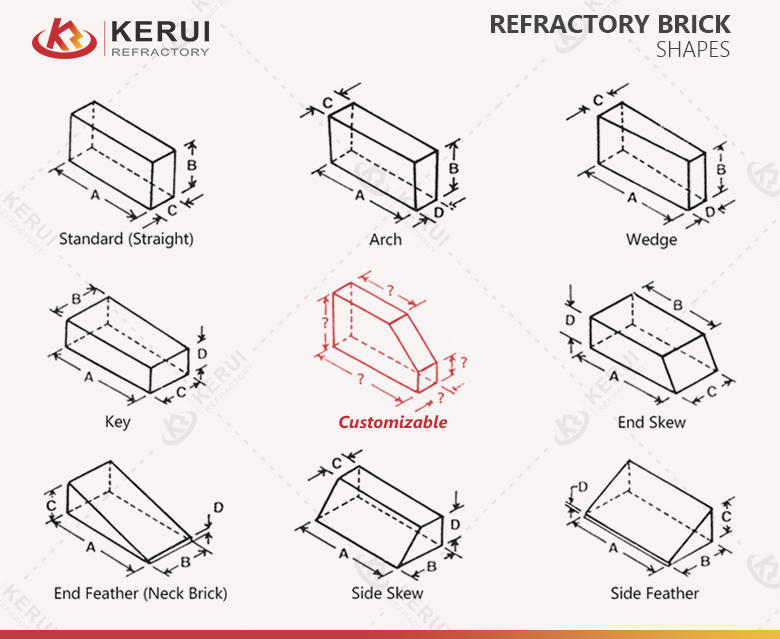
No two industrial environments are identical. That’s why Rongsheng offers customizable compositions—adjusting carbon content, binder type, and additives based on specific operating conditions. Whether it's a sulfur-rich environment in cement kilns or a highly oxidizing atmosphere in aluminum smelting, the formulation can be tailored to match the chemical behavior of the process. This flexibility supports long-term reliability across global markets.
For engineers, procurement managers, and plant operators, understanding what goes into a durable refractory brick helps build confidence—not just in the product, but in the partnership behind it. With real-world data, verified certifications, and adaptability built-in, carbon-based refractories from Rongsheng offer more than technical specs—they deliver peace of mind.
Explore how Rongsheng’s certified carbon bricks can support your next project with precision-engineered performance and trusted quality.
Get Technical Data Sheets & Test Reports 373
|
373
|
 high-temperature industrial furnace insulation flexible ceramic fiber blanket performance energy-saving insulation material selection high-temperature insulation installation tips industrial furnace insulation maintenance methods
433
|
ceramic fiber modules internationally certified ceramic fiber insulation industrial furnace insulation materials high-temperature refractory modules energy-saving refractory solutions
314
|
B2B digital marketing customer perception experience ceramic fiber chopped cotton refractory material export website content optimization
184
|
high temperature furnace insulation materials ceramic fiber blanket performance insulation material selection for industrial furnaces energy-saving refractory materials ceramic fiber blanket temperature limit
356
|
ceramic fiber paper high temperature insulation fire retardant binder asbestos free insulation thermal conductivity low
high-temperature industrial furnace insulation flexible ceramic fiber blanket performance energy-saving insulation material selection high-temperature insulation installation tips industrial furnace insulation maintenance methods
433
|
ceramic fiber modules internationally certified ceramic fiber insulation industrial furnace insulation materials high-temperature refractory modules energy-saving refractory solutions
314
|
B2B digital marketing customer perception experience ceramic fiber chopped cotton refractory material export website content optimization
184
|
high temperature furnace insulation materials ceramic fiber blanket performance insulation material selection for industrial furnaces energy-saving refractory materials ceramic fiber blanket temperature limit
356
|
ceramic fiber paper high temperature insulation fire retardant binder asbestos free insulation thermal conductivity low




.png?x-oss-process=image/resize,h_100,m_lfit/format,webp)
.png?x-oss-process=image/resize,h_100,m_lfit/format,webp)
.png?x-oss-process=image/resize,h_100,m_lfit/format,webp)


