

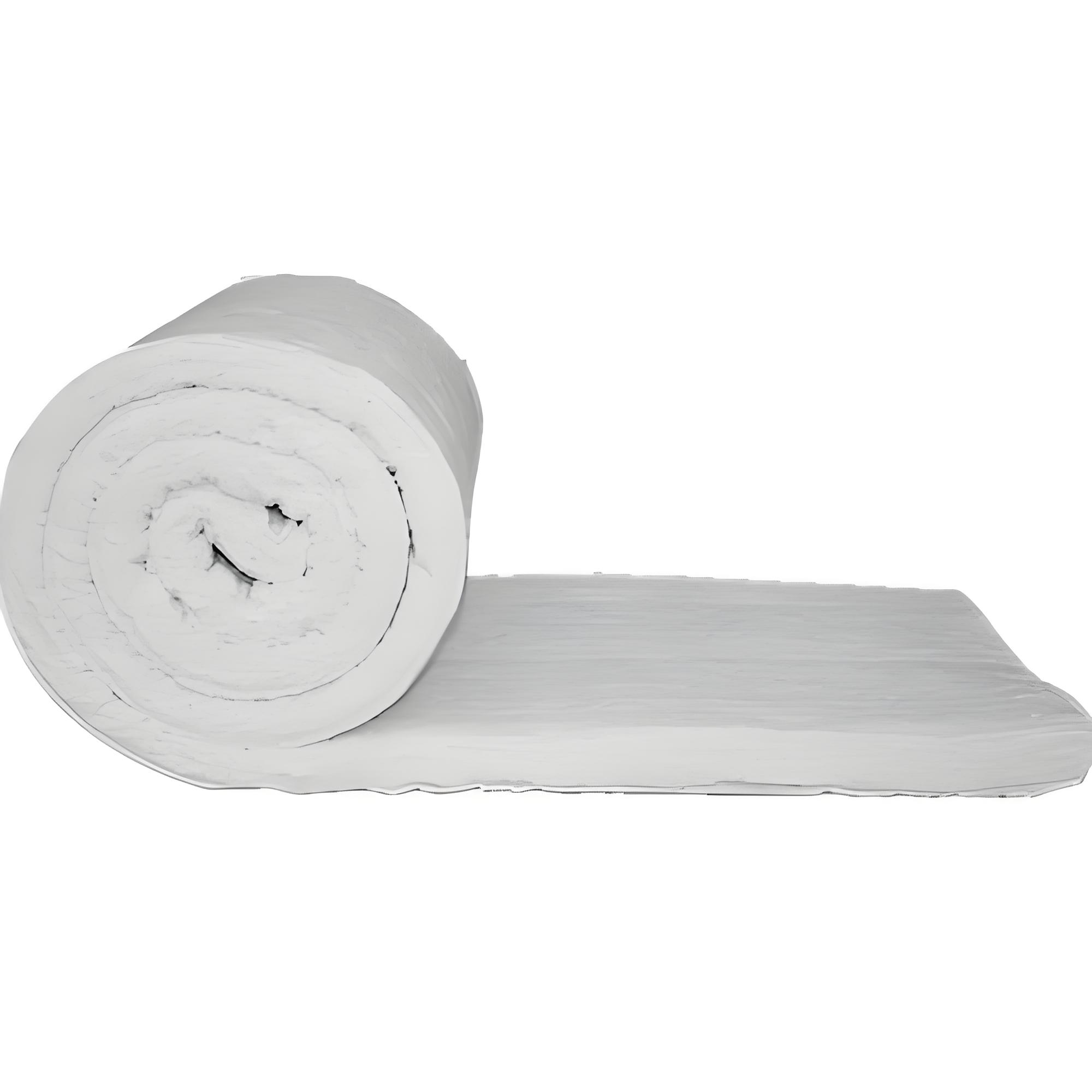
Choosing the right ceramic fiber blanket for high-temperature industrial applications—like steel furnaces, glass kilns, or ceramic sintering units—is more than just picking a material. It’s about understanding how composition, density, thickness, and surface treatment interact to deliver consistent thermal performance and long-term energy savings.
A recent survey of 120+ industrial maintenance managers revealed that over 65% had experienced premature insulation failure due to incorrect blanket selection—not because of poor quality, but because they overlooked key technical parameters. For example:
The good news? With proper guidance, these issues are entirely avoidable—and often fixable with minimal downtime.
For temperatures above 1200°C, high-alumina ceramic fiber blankets (>55% Al₂O₃) outperform standard silica-based ones in both structural integrity and thermal shock resistance. In one case study at a European glass manufacturing plant, switching from 45% alumina to 65% alumina blankets extended service life from 18 months to over 3 years—with no increase in cost per square meter.
💡 Pro Tip: Always match blanket density to your application's heat flux. For furnace walls exposed to >800°C continuously, aim for 160–200 kg/m³. For intermittent use (e.g., batch ovens), 120–140 kg/m³ is sufficient.
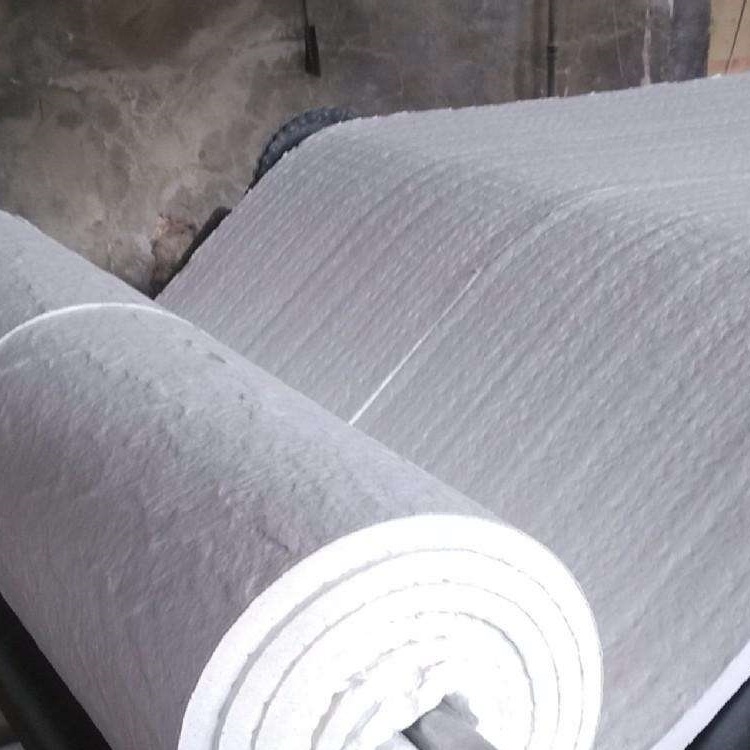
Even the best blanket fails if installed improperly. A common mistake? Failing to leave expansion gaps—especially in refractory-lined chambers. One U.S.-based ceramics producer lost $28k in production time when a blanket buckled due to inadequate gap spacing during installation.
Also critical: regular inspection intervals. We recommend quarterly checks for visible signs of cracking or compression, especially in continuous-process furnaces. Use infrared thermography tools to spot hot spots early—this can prevent catastrophic failures before they happen.
🔍 Want to ensure your next project avoids costly errors? Download our free Ceramic Fiber Selection Guide—with real-world examples from 3 industries and step-by-step checklists.
Whether you're designing a new furnace or optimizing an existing one, the right ceramic fiber blanket isn’t just a component—it’s a strategic decision that impacts safety, efficiency, and ROI.
Got a specific challenge with insulation performance? Share your story below—we read every comment and may feature yours in our upcoming expert Q&A series.
 256
|
256
|
 zirconia ceramic fiber blanket installation high temperature industrial furnace insulation ceramic fiber blanket maintenance industrial furnace thermal damage monitoring zirconia fiber blanket replacement standards
415
|
high temperature industrial furnace insulation flexible ceramic fiber blanket insulation material selection guide energy saving insulation materials industrial furnace thermal performance
323
|
ceramic fiber blanket thermal conductivity high-temperature insulation materials zirconia ceramic fiber blankets refractory material performance testing industrial furnace energy saving
433
|
ceramic fiber modules internationally certified ceramic fiber insulation industrial furnace insulation materials high-temperature refractory modules energy-saving refractory solutions
486
|
Zirconia ceramic fiber blanket failure analysis High - temperature industrial furnace insulation materials Ceramic fiber blanket installation guide Industrial furnace maintenance skills Refractory material application cases
zirconia ceramic fiber blanket installation high temperature industrial furnace insulation ceramic fiber blanket maintenance industrial furnace thermal damage monitoring zirconia fiber blanket replacement standards
415
|
high temperature industrial furnace insulation flexible ceramic fiber blanket insulation material selection guide energy saving insulation materials industrial furnace thermal performance
323
|
ceramic fiber blanket thermal conductivity high-temperature insulation materials zirconia ceramic fiber blankets refractory material performance testing industrial furnace energy saving
433
|
ceramic fiber modules internationally certified ceramic fiber insulation industrial furnace insulation materials high-temperature refractory modules energy-saving refractory solutions
486
|
Zirconia ceramic fiber blanket failure analysis High - temperature industrial furnace insulation materials Ceramic fiber blanket installation guide Industrial furnace maintenance skills Refractory material application cases





.png?x-oss-process=image/resize,h_100,m_lfit/format,webp)
.png?x-oss-process=image/resize,h_100,m_lfit/format,webp)
.png?x-oss-process=image/resize,h_100,m_lfit/format,webp)


