Ceramic Fiber Modules for Industrial Furnace Energy Retrofit: Lower Heat Loss, Boost Efficiency
Rongsheng Refractory
2026-02-15
Technical knowledge
Industrial furnaces remain a major source of energy loss in high‑temperature manufacturing, and tightening decarbonization and efficiency policies are accelerating demand for reliable retrofit paths. Ceramic fiber modules have emerged as a high‑efficiency energy‑saving solution thanks to their high service temperature range (1050°C–1400°C), ultra‑low thermal conductivity (as low as 0.12 W/(m·K)), and strong thermal‑shock resistance. By reducing wall heat transfer and improving lining responsiveness during heating and cycling, these modules help cut furnace heat loss and support stable process control. Field applications across steel, petrochemical, and ceramics operations report measurable improvements in thermal insulation performance, shorter heat‑up time, and reduced fuel consumption—helping enterprises reduce operating costs and improve overall energy efficiency. This article outlines the key technical parameters, energy‑saving mechanisms, and practical retrofit considerations, and compares modular installation with traditional refractory brick linings to highlight faster installation, lower maintenance burden, and sustainability value supported by internationally recognized quality practices.
Why Industrial Furnace Energy Retrofits Are Suddenly Non‑Optional
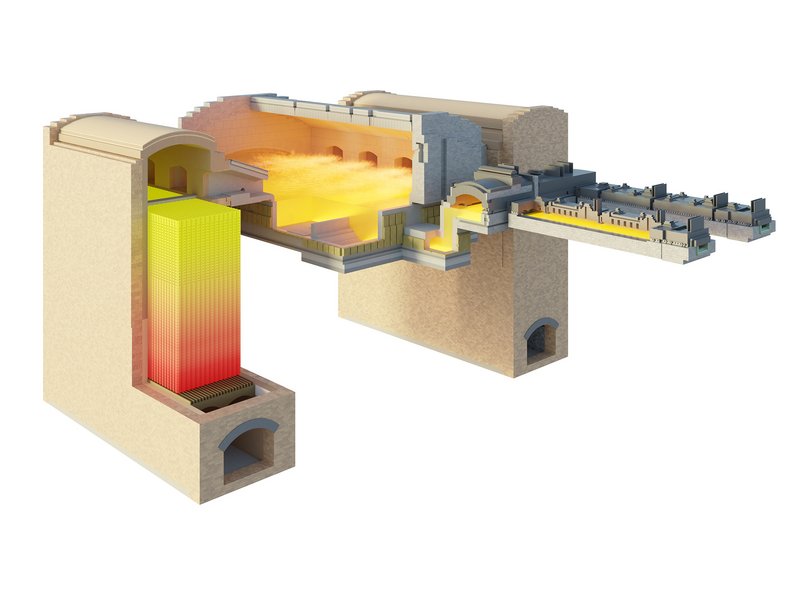
Across steel, petrochemical, ceramics, and non‑ferrous industries, industrial furnaces and kilns remain some of the largest single sources of energy consumption—and also one of the fastest places to recover wasted heat. The practical problem is rarely a lack of burners or control systems; it is often heat loss through the lining, compounded by aging insulation, thermal cycling, and structural cracks.
Under tightening carbon reporting, energy audits, and corporate decarbonization targets, many plants are moving from “maintenance insulation” to high‑efficiency energy-saving solutions that can be installed quickly, reduce downtime, and deliver measurable savings. Ceramic fiber modules have become a go-to option because the physics is simple: less conductive heat transfer + less thermal mass = less fuel.
Ceramic Fiber Modules: Core Parameters That Drive Measurable Heat-Loss Reduction
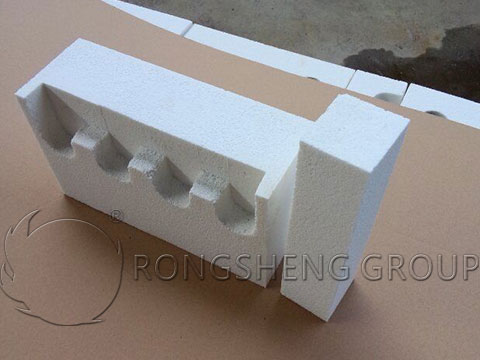
Ceramic fiber modules are pre-compressed, factory-formed insulation units designed for fast installation and stable performance at high temperatures. For kiln and furnace energy retrofits, buyers typically evaluate three performance pillars: temperature capability, thermal conductivity, and resistance to thermal shock.
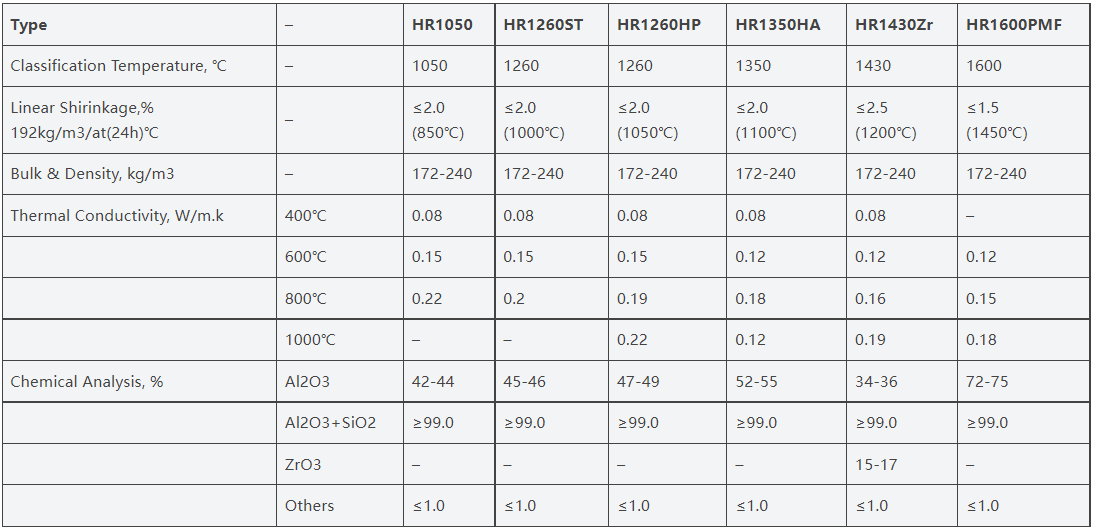
Key Reference Data (Typical Industry Ranges)
Parameter
Typical Value / Range
Why It Matters for Energy
Max service temperature
1050°C–1400°C
Supports hot-face applications without rapid degradation, keeping insulation performance stable.
Thermal conductivity (k)
~0.12 W/(m·K) at ~400°C (reference)
Lower k directly reduces conductive heat loss through the lining.
Bulk density (installed)
~160–220 kg/m³ (varies by grade/compression)
Lower thermal mass shortens heat-up time and reduces fuel used for startup/reheating.
Thermal shock resistance
High (fiber structure tolerates cycling)
Maintains integrity under frequent heating/cooling, limiting gaps that leak heat.
Note: Values are provided as practical reference data for engineering discussions; exact performance depends on temperature, atmosphere, lining design, anchoring system, and installation quality.
How Ceramic Fiber Modules Cut Heat Loss (The Practical Physics)
In most furnaces, heat escapes via a combination of conduction through the lining, convection and radiation at hot surfaces, and leakage at joints. Ceramic fiber modules address the largest controllable portion—lining heat transfer—and they do it in two complementary ways:
1) Lower conductive heat flow through the wall
With a low thermal conductivity (for example, around 0.12 W/(m·K) at moderate elevated temperature), ceramic fiber insulation reduces the heat flux from hot face to shell. In retrofit projects, this typically translates into lower shell temperature, reduced ambient heat dissipation, and less fuel required to hold setpoint.
2) Lower thermal mass for faster heat-up and better cycling efficiency
Traditional dense refractory and multi-layer brick linings store a large amount of heat. That stored energy is not always “useful”—especially for batch furnaces, frequent door openings, or intermittent production. Fiber modules are lightweight, so the furnace spends less fuel heating the lining itself. Plants often observe shorter startup time and improved response to process changes.
Interactive question for your next energy audit
When your furnace reaches steady state, is your shell temperature consistently higher than expected (for example, above 60–80°C in accessible areas), or do you see hotspots near joints and burner blocks? Those are often the fastest indicators that an insulation retrofit could help your company reduce cost and increase efficiency.
Industry Evidence: What Plants Typically Achieve After Retrofitting
Actual savings depend on kiln type, operating schedule, lining thickness, and the baseline refractory condition. However, field results across common high-temperature assets show consistent patterns: reduced shell temperature, reduced fuel consumption, and improved temperature uniformity—especially where frequent cycling previously damaged brick linings.
Case Snapshot Box (Representative Results)
Steel reheating / heat-treatment furnaces
Typical outcome: 5%–12% fuel reduction after replacing degraded hot-face insulation with fiber modules; shell temperature drops commonly observed in the 20–60°C range depending on thickness and hotspots.
Petrochemical heaters / reformer-associated insulation zones
Typical outcome: improved thermal stability and reduced outer-wall heat loss; many projects report 3%–8% energy savings, plus better safety comfort due to cooler external surfaces.
Ceramics kilns (intermittent or frequent ramping)
Typical outcome: shorter heat-up time by 10%–20% and lower holding fuel use, driven by reduced thermal mass and stronger resistance to rapid temperature changes.
These are representative engineering outcomes observed in retrofit scenarios; verification should be done via baseline/after fuel tracking, shell thermography, and process KPI comparison.
Modules vs. Traditional Brick Linings: Retrofit Speed and Reliability Under Real Plant Constraints
Dense refractory brick and castable linings still have their place, particularly where mechanical abrasion, slag, or heavy impact dominate. But for many furnace walls, roofs, and backup insulation layers, ceramic fiber modules are chosen for practical retrofit advantages—not just thermal performance.
Modular installation = shorter shutdown windows
Pre-shaped modules reduce onsite cutting and fitting. In many retrofit schedules, this can compress installation time and help plants return to production earlier—often the hidden ROI driver when downtime costs dwarf material costs.
Fewer joints and better resilience to thermal cycling
Brick linings can develop cracks and joint gaps under repeated cycling, creating local heat leaks and hotspots. Fiber modules (when correctly anchored and compressed) maintain contact and insulation continuity, which helps stabilize shell temperature.
Lower structural load and easier roof applications
Lightweight insulation can reduce roof load and support requirements. For older furnaces, that often expands retrofit feasibility without extensive steelwork reinforcement.
Quality, Compliance, and Sustainability: What Global Buyers Expect
For international projects, insulation is not judged only by datasheets. Buyers increasingly request traceability and consistent manufacturing quality to reduce performance variance across batches. In many supply chains, typical expectations include ISO-aligned quality systems, documented product specifications, and clear labeling for temperature grade and density.
From a sustainability perspective, ceramic fiber modules contribute indirectly through lower fuel consumption and therefore lower CO₂ emissions. For plants targeting ESG metrics, an insulation retrofit is often one of the simplest engineering levers: it improves energy intensity without changing the core process chemistry.
A practical decision checkpoint
If the retrofit objective is “quick, measurable savings,” the best projects define three baseline KPIs before installation: fuel per ton (or per batch), shell temperature map (thermography), and heat-up time to setpoint. Without those, many upgrades still work—but the savings are harder to prove internally.
Ready for a High‑Efficiency Energy‑Saving Solution for Your Furnace?
Upgrade your lining with ceramic fiber modules to help reduce heat loss, shorten heat-up time, and support low‑carbon production—while helping your business reduce cost and increase efficiency.


.png?x-oss-process=image/resize,h_100,m_lfit/format,webp)
.png?x-oss-process=image/resize,h_100,m_lfit/format,webp)
.png?x-oss-process=image/resize,h_100,m_lfit/format,webp)