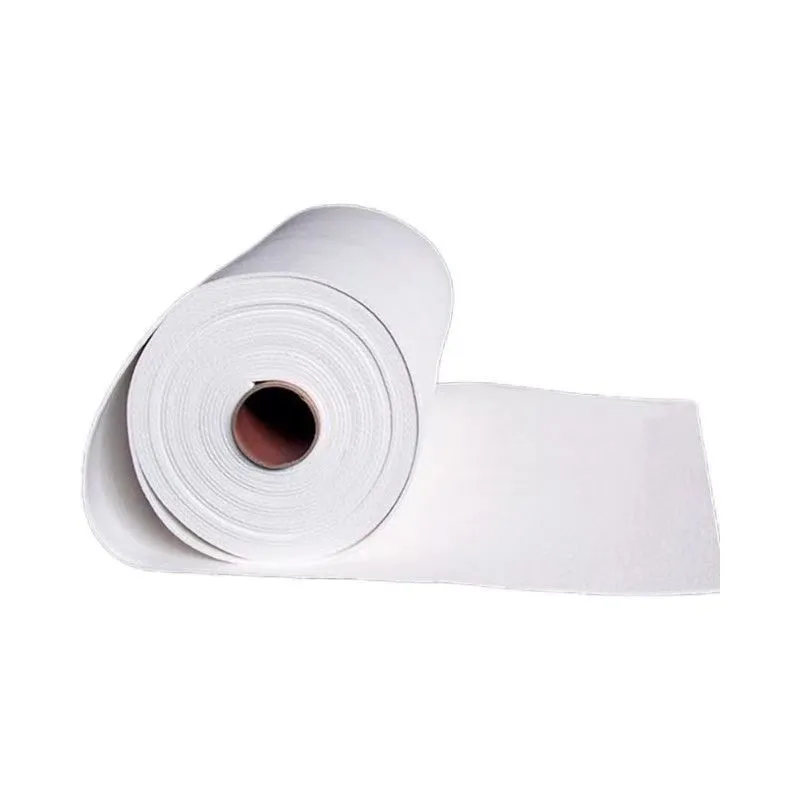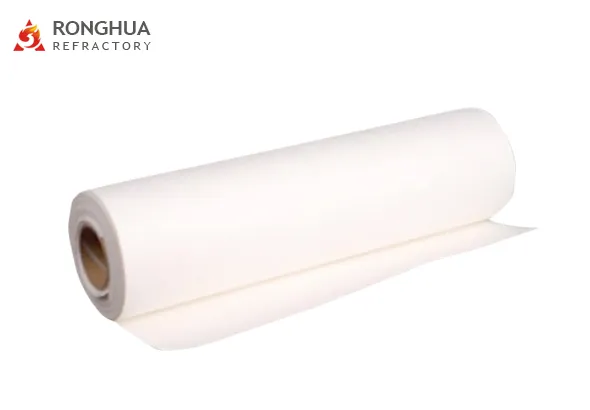
In industries like steel manufacturing, glass production, and petrochemical processing, heat loss isn't just a cost issue—it's a safety risk, an energy drain, and a productivity bottleneck. On average, poorly insulated systems can waste up to 30% of total thermal energy, according to the International Energy Agency (IEA). That’s where multifunctional ceramic fiber paper steps in—not as another insulation material, but as a performance multiplier.
For decades, materials like asbestos and standard refractory bricks dominated industrial insulation. But they come with serious drawbacks:
Ceramic fiber paper delivers exceptional performance through six core features:
“After switching to ceramic fiber paper in our kiln lining, we saw a 38% drop in fuel consumption within three months—and zero downtime due to insulation failure.”
— Maria Lopez, Plant Manager at Grupo Industrial Mexicano
These aren’t theoretical benefits—they’re proven outcomes across more than 30 leading manufacturers in energy-intensive sectors. From European steel mills to Middle Eastern petrochemical plants, this material is trusted where performance matters most.
Whether you're an engineer optimizing process efficiency or a plant manager focused on compliance and sustainability, ceramic fiber paper offers a smarter way forward—one that’s not only safer but also significantly more economical over time.
Get your free technical datasheet and case studies tailored to your industry.
Download Now – See Real Results 307
|
307
|
 High - temperature kiln insulation materials Low thermal conductivity ceramic fiber blanket Industrial kiln energy conservation Ceramic fiber insulation blanket application Thermal conductivity optimization technology
68
|
high temperature kiln insulation material low thermal conductivity ceramic fiber blanket high alumina fiber blanket industrial kiln energy saving materials aluminum foil backing refractory fiber
120
|
B2B export marketing brand culture perception ceramic fiber staple wool high-temperature materials international market strategy
121
|
zirconia ceramic fiber blanket heat treatment process optimization high-temperature insulation material flexible ceramic fiber blanket thermal stability improvement
407
|
polycrystalline mullite fiber board custom thickness high temperature insulation material industrial equipment insulation ISO9001 certified refractory high temp equipment energy saving
High - temperature kiln insulation materials Low thermal conductivity ceramic fiber blanket Industrial kiln energy conservation Ceramic fiber insulation blanket application Thermal conductivity optimization technology
68
|
high temperature kiln insulation material low thermal conductivity ceramic fiber blanket high alumina fiber blanket industrial kiln energy saving materials aluminum foil backing refractory fiber
120
|
B2B export marketing brand culture perception ceramic fiber staple wool high-temperature materials international market strategy
121
|
zirconia ceramic fiber blanket heat treatment process optimization high-temperature insulation material flexible ceramic fiber blanket thermal stability improvement
407
|
polycrystalline mullite fiber board custom thickness high temperature insulation material industrial equipment insulation ISO9001 certified refractory high temp equipment energy saving




.png?x-oss-process=image/resize,h_100,m_lfit/format,webp)
.png?x-oss-process=image/resize,h_100,m_lfit/format,webp)
.png?x-oss-process=image/resize,h_100,m_lfit/format,webp)