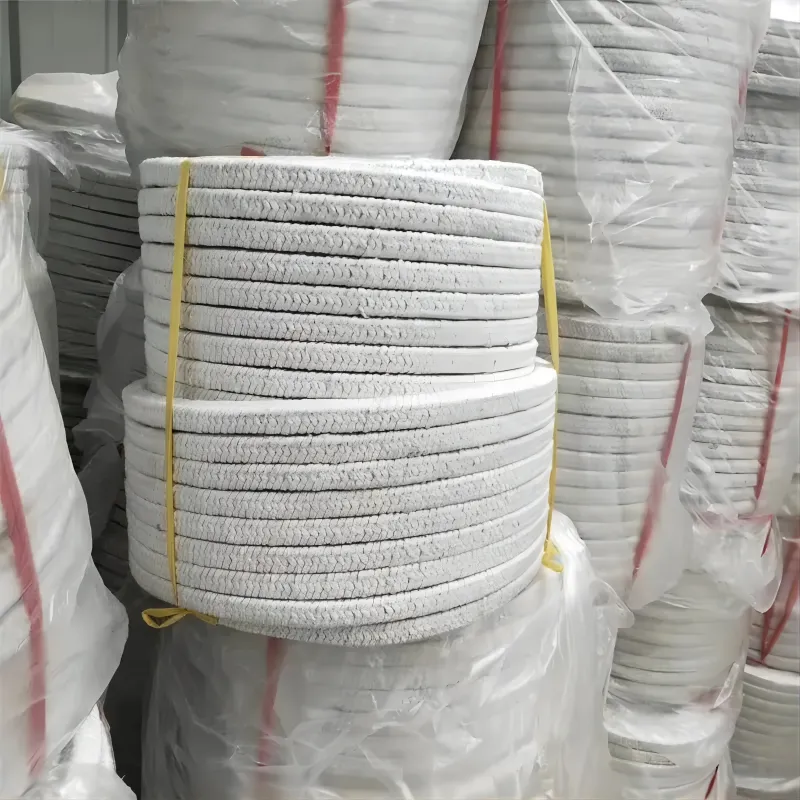
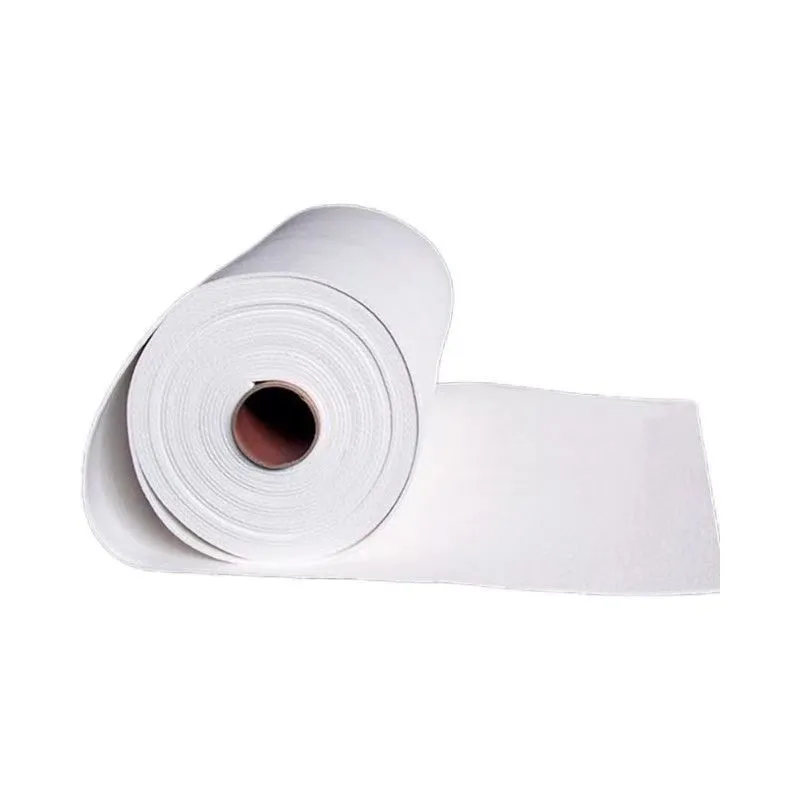
In industries like steelmaking, glass production, and petrochemical refining, high temperatures aren’t just a condition—they’re a constant challenge. Traditional insulation materials often fail under thermal stress, leading to energy waste, safety risks, and frequent maintenance. That’s where multi-functional ceramic fiber paper steps in—not as a replacement, but as a smarter solution.
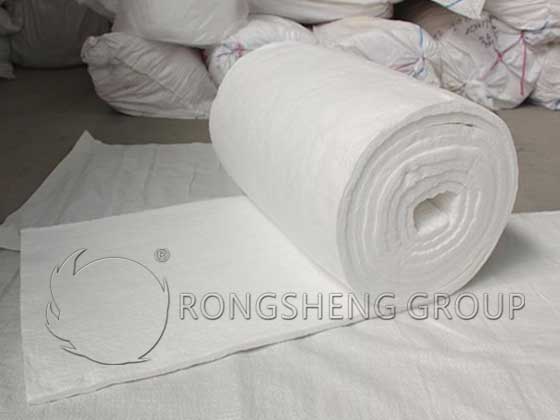
Think of it as the silent engineer inside your system—low thermal conductivity (typically 0.03–0.05 W/m·K) means less heat escapes, which translates to up to 25% lower energy costs. In real-world applications, this isn’t theory—it’s measurable savings. One client in the aluminum smelting sector reported a 17% drop in fuel consumption after switching from mineral wool to our ceramic fiber paper.
And it’s not just about saving money. Safety matters too. Unlike older materials that may contain asbestos or degrade at high temps, our product uses non-toxic, flame-retardant binders. It won’t ignite even when exposed to localized hot spots—critical for preventing accidents in refineries or kilns.
| Material | Thermal Loss (%) | Safety Risk | Maintenance Cost (Annual) |
|---|---|---|---|
| Silicon Carbide Brick | ~35% | High (brittle, cracks easily) | $8,000+ |
| Asbestos-Based Mats | ~28% | Very High (health hazard) | $12,000+ |
| Standard Ceramic Fiber Board | ~20% | Medium (some degradation over time) | $6,500 |
| Ceramic Fiber Paper | ~12–15% | Low (non-combustible, stable) | $3,000–$4,000 |
“We used to replace insulation every 6 months due to cracking and poor performance. Now, with ceramic fiber paper, we go 18 months without any issues—and our plant runs cooler.”
— Maria Lopez, Maintenance Manager, Glass Manufacturing Co.
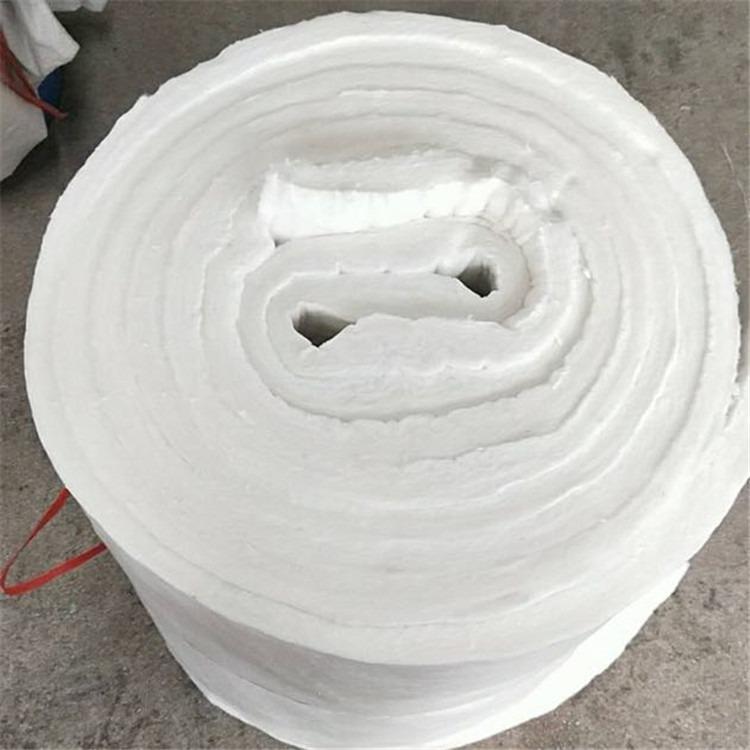
Beyond efficiency and safety, this material also offers electrical insulation (dielectric strength > 15 kV/mm) and sound dampening—features many overlook but are essential in modern plants. Whether you're dealing with electric furnaces or noisy boilers, it helps reduce both noise pollution and voltage leakage risks.
It’s no surprise that global manufacturers—from automotive foundries to chemical reactors—are adopting it as their standard insulation layer. The result? Fewer shutdowns, better compliance with environmental regulations, and more predictable production cycles.
Get a free technical consultation tailored to your specific process conditions.
Explore Custom Solutions Today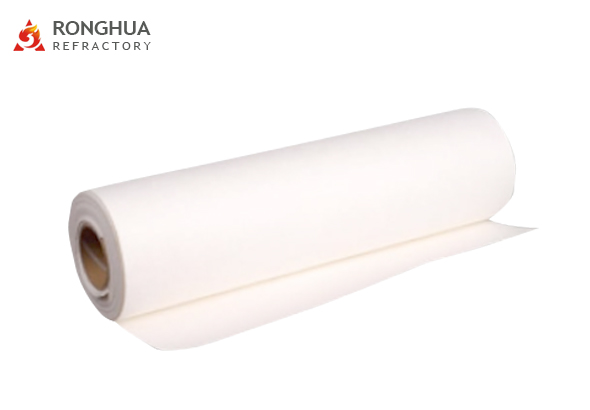
If you’re still relying on outdated solutions, ask yourself: Is your insulation holding up—or holding back your productivity?
 447
|
447
|
 low thermal conductivity ceramic fiber blanket ceramic fiber blanket insulation industrial furnace energy efficiency high temperature insulation material ISO certified refractory insulation
384
|
ceramic fiber rope high-temperature sealing refractory materials chemical corrosion resistance custom high-temperature sealing solutions
323
|
ceramic fiber blanket thermal conductivity high-temperature insulation materials zirconia ceramic fiber blankets refractory material performance testing industrial furnace energy saving
268
|
High-temperature kiln insulation materials Low thermal conductivity ceramic fiber blankets Ceramic fiber blanket thermal conductivity optimization Industrial kiln energy-saving technology Refractory material selection guide
236
|
ceramic fiber tube industrial furnace insulation high temperature thermal insulation furnace energy efficiency customized refractory insulation solutions
low thermal conductivity ceramic fiber blanket ceramic fiber blanket insulation industrial furnace energy efficiency high temperature insulation material ISO certified refractory insulation
384
|
ceramic fiber rope high-temperature sealing refractory materials chemical corrosion resistance custom high-temperature sealing solutions
323
|
ceramic fiber blanket thermal conductivity high-temperature insulation materials zirconia ceramic fiber blankets refractory material performance testing industrial furnace energy saving
268
|
High-temperature kiln insulation materials Low thermal conductivity ceramic fiber blankets Ceramic fiber blanket thermal conductivity optimization Industrial kiln energy-saving technology Refractory material selection guide
236
|
ceramic fiber tube industrial furnace insulation high temperature thermal insulation furnace energy efficiency customized refractory insulation solutions







.png?x-oss-process=image/resize,h_100,m_lfit/format,webp)
.png?x-oss-process=image/resize,h_100,m_lfit/format,webp)
.png?x-oss-process=image/resize,h_100,m_lfit/format,webp)