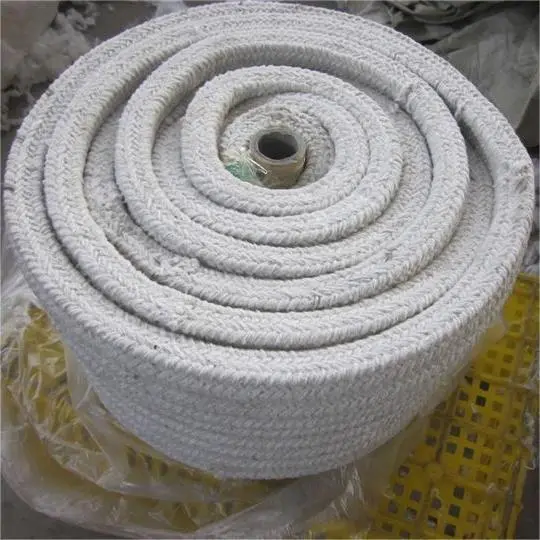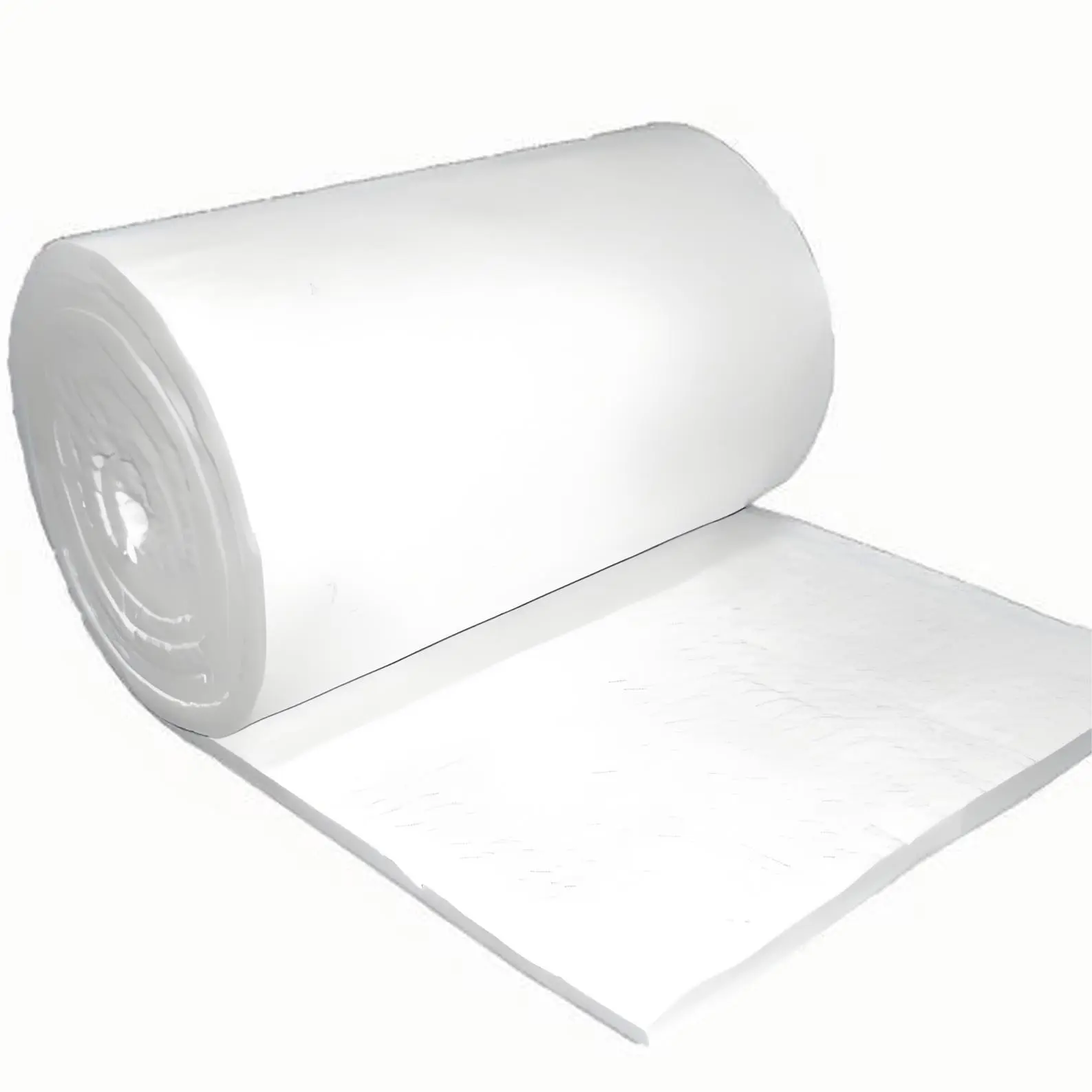
In high-temperature industries, heat loss is rarely “small”—it becomes a continuous cost line item, a safety risk, and a carbon footprint multiplier. Ceramic fiber tube insulation has quietly become a core component in energy-saving retrofits and new-build thermal systems because it reduces conductive heat transfer at the source while maintaining fire safety and chemical stability under harsh operating conditions.
Industrial operators are facing a multi-pressure reality: rising fuel and electricity costs, stricter emissions compliance, and higher expectations for process safety. Thermal systems—furnaces, kilns, heat-treatment lines, flue gas ducts, and high-temperature piping—are often the first place to find measurable savings.
Ceramic fiber tubes are engineered for high-temperature insulation where conventional materials start to compromise either performance or reliability. Compared with many traditional refractory linings and mineral-based insulation solutions, ceramic fiber structures deliver lower heat storage, faster thermal response, and a better insulation-to-weight ratio—especially valuable for cyclic heating processes and continuous lines.
Key dimensional range (reference): Ceramic fiber tubes with inner diameter φ18–529 mm and wall thickness 30–150 mm support both compact thermal conduits and larger industrial duct insulation needs—without forcing a one-size-fits-all design.
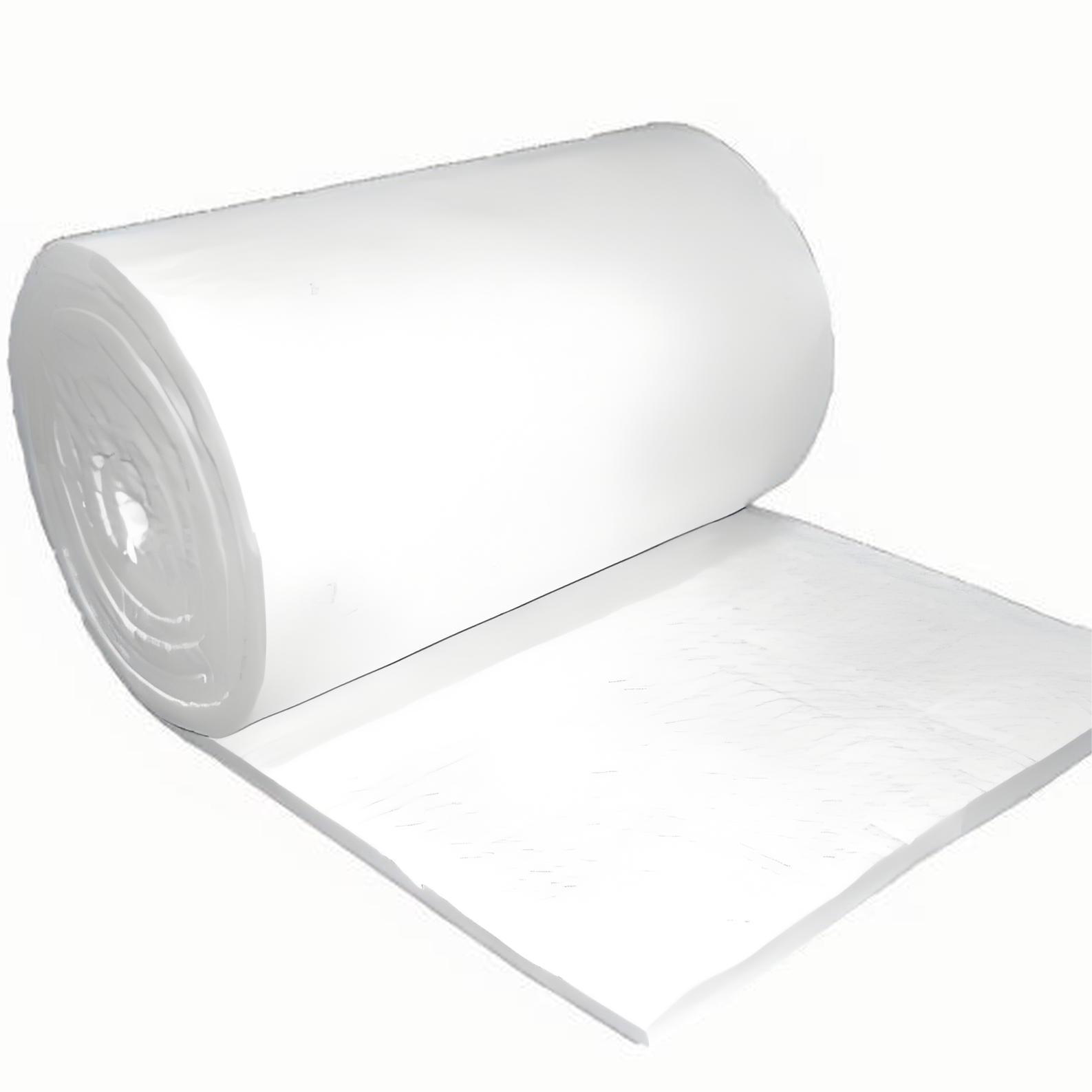
The insulation effect of ceramic fiber tubes comes from a microstructure that traps air and suppresses heat conduction. In practical terms, this reduces the temperature gradient across the insulation layer and cuts heat flow from the hot side to the ambient environment.
As a reference, high-quality ceramic fiber insulation can achieve thermal conductivity in the range of 0.12–0.20 W/m·K (typical measured values around 600–800°C, depending on density and composition). By comparison, conventional dense refractories can be several times higher, often around 1.0–1.5 W/m·K or more in similar temperature ranges.
For industrial buyers, “lower λ” is not an abstract parameter. It translates into lower surface temperature, less radiant loss, and better conditions for maintaining stable process temperatures—often enabling a measurable reduction in fuel consumption and improved thermal uniformity.
| Material Type (Reference) | Thermal Conductivity @ 600–800°C (W/m·K) | Operational Impact |
|---|---|---|
| Ceramic Fiber Tube Insulation | 0.12–0.20 | Lower heat loss, faster thermal response, improved surface safety |
| Insulating Firebrick (typical) | 0.35–0.60 | Moderate insulation; heavier; higher heat storage in cycling |
| Dense Refractory (typical) | 1.0–1.5+ | High durability but higher conductive loss; larger energy demand |
Note: Values vary by density, composition, temperature, installation quality, and measurement method. Data shown is for engineering reference and selection discussion.
With wall thickness options from 30 to 150 mm, ceramic fiber tubes enable thermal designers to tune insulation performance for the actual heat flux. In many plants, the best ROI comes from targeting the highest-loss sections—elbows, transitions, hot spots near burners, and long runs exposed to airflow—rather than applying a uniform approach everywhere.
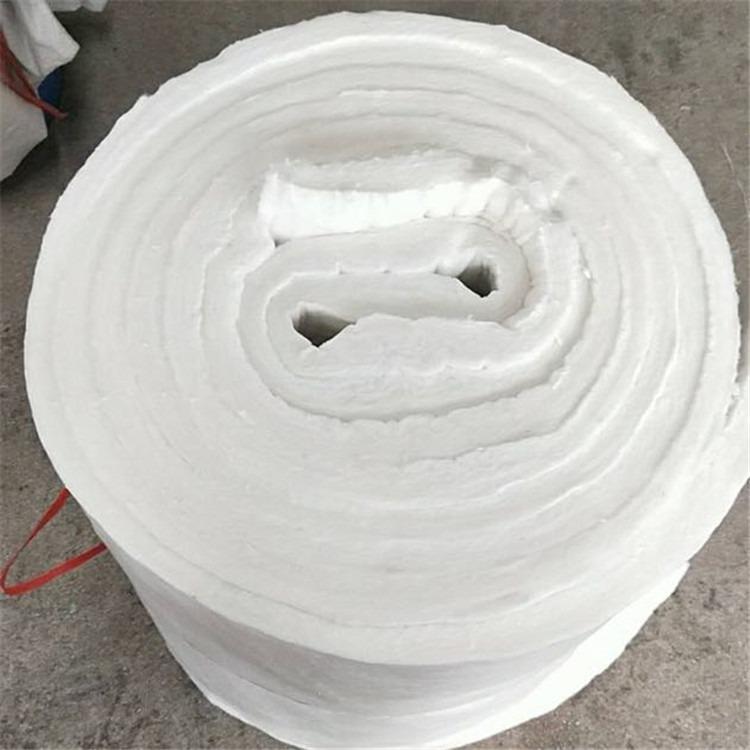
Energy savings only matter if the insulation system remains stable, safe, and predictable over time. Industrial environments introduce variables that can degrade ordinary insulation: flame impingement, thermal shocks, vibration, corrosive gases, dust loading, and maintenance cycles.
Ceramic fiber tubes are inherently non-combustible and engineered to retain structure at elevated temperatures. This characteristic supports safer insulation design around hot equipment, helping reduce ignition risk in adjacent areas and lowering outer surface temperature when properly specified and installed. For operations where safety audits are frequent, stable insulation performance becomes part of compliance readiness—not just an engineering preference.
Many industrial systems must handle exhaust streams containing acidic or alkaline components, volatile compounds, or process byproducts. A chemically stable ceramic fiber structure can help maintain insulation integrity in contact with demanding atmospheres, minimizing premature degradation that can lead to hidden heat leaks and unexpected shutdowns.
“After switching to ceramic fiber tube insulation on our hottest sections, the outer surface temperature dropped noticeably and the line became easier to keep stable during production peaks. Maintenance intervals also improved.”
— Maintenance & Utilities Team (industrial user feedback example)
Industrial insulation failures are often not material failures—they are fit-and-interface failures. Gaps, compression mistakes, mismatched diameters, and poor transitions between components can create thermal bridges that waste energy and raise local temperatures.
A configurable ceramic fiber tube program helps solve these practical problems by aligning dimensions, densities, and application requirements. With inner diameters from φ18 to 529 mm and wall thickness from 30 to 150 mm, the system can be adapted to typical industrial pipelines, thermal ducts, and custom furnace accessory channels.
For decision-makers comparing options, the message is simple and measurable: “Choosing Rongsheng = choosing safe efficiency + energy cost reduction.” The right dimensions and specification turn insulation into a controlled performance variable, not a hope-based add-on.
Industrial procurement is rarely only about “material performance.” Buyers also evaluate supplier responsiveness, documentation readiness, and the ability to support multiple sites across regions. With a distribution presence covering 70+ countries, Rongsheng Refractory Materials supports industrial customers who require consistent supply and repeatable quality across projects.
For international maintenance teams and EPC contractors, supply reliability helps control downtime risk. For operators with continuous production schedules, it reduces the probability of “temporary fixes” becoming long-term energy leaks.
| Inner Diameter Range | φ18–529 mm |
| Wall Thickness Options | 30–150 mm |
| Thermal Conductivity (typical) | 0.12–0.20 W/m·K @ 600–800°C |
| Core Advantages | High-efficiency insulation, fire resistance, chemical stability, customization support |
In energy-intensive environments, sustainability is achieved through a chain of small, repeatable engineering decisions. Ceramic fiber tube insulation is one of those rare upgrades that can simultaneously address operational cost, safety margin, and carbon reduction—without forcing a redesign of the entire system.
Specify the right inner diameter (φ18–529 mm) and wall thickness (30–150 mm) for your operating temperature and site constraints. Choosing Rongsheng = choosing safe efficiency + energy cost reduction—and turning insulation into a measurable performance upgrade.
Request a Custom Ceramic Fiber Tube Specification (ID φ18–529 mm, 30–150 mm Wall)Typical inquiry info: operating temperature, medium composition, target surface temperature, installation space, and required quantities.
 72
|
72
|
 zirconia ceramic fiber blanket high temperature industrial furnace installation guide maintenance strategy power industry application
413
|
high temperature furnace insulation material flexible ceramic fiber blanket ceramic fiber blanket application case industrial furnace energy saving retrofit zirconia ceramic fiber blanket
314
|
B2B digital marketing customer perception experience ceramic fiber chopped cotton refractory material export website content optimization
323
|
Low thermal conductivity ceramic fiber board Polycrystalline mullite fiber board High-temperature thermal insulation material trends Industrial energy-saving materials Application of high-temperature resistant fiber boards
460
|
calcium silicate fireproof board high temperature fire resistant material refractory insulation board industrial fireproofing solution thermal insulation panel
zirconia ceramic fiber blanket high temperature industrial furnace installation guide maintenance strategy power industry application
413
|
high temperature furnace insulation material flexible ceramic fiber blanket ceramic fiber blanket application case industrial furnace energy saving retrofit zirconia ceramic fiber blanket
314
|
B2B digital marketing customer perception experience ceramic fiber chopped cotton refractory material export website content optimization
323
|
Low thermal conductivity ceramic fiber board Polycrystalline mullite fiber board High-temperature thermal insulation material trends Industrial energy-saving materials Application of high-temperature resistant fiber boards
460
|
calcium silicate fireproof board high temperature fire resistant material refractory insulation board industrial fireproofing solution thermal insulation panel


.png?x-oss-process=image/resize,h_100,m_lfit/format,webp)
.png?x-oss-process=image/resize,h_100,m_lfit/format,webp)
.png?x-oss-process=image/resize,h_100,m_lfit/format,webp)