

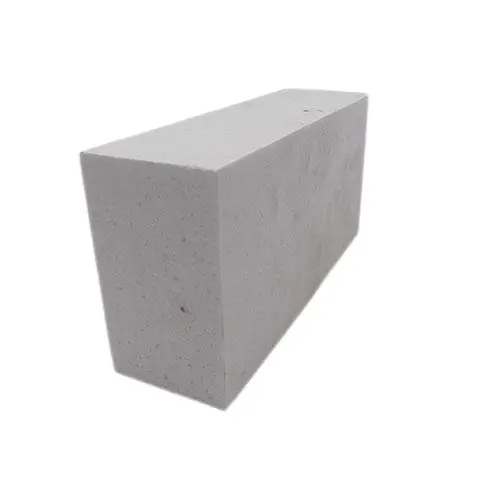
If you're managing a high-temperature industrial process—whether in steelmaking, cement production, or chemical refining—you know that the right refractory brick isn't just an accessory. It’s the backbone of your furnace’s performance, safety, and efficiency.
When selecting acid-resistant refractory bricks, don’t just look at the label—dig into the numbers:
Why Certification Matters
CE and ISO certifications aren’t just stamps—they’re proof of consistent quality control, material consistency, and compliance with international safety standards. For global buyers, this means fewer risks, faster approvals, and stronger trust.
In steel mills, carbon bricks lined in tundishes last up to 30% longer than conventional options due to their resistance to molten metal erosion. In cement kilns, they reduce downtime by maintaining shape even at 1800°C. And in chemical reactors, their low reactivity with acidic gases prevents premature failure.
Every industry has unique challenges—from SiO₂-rich slags in glass manufacturing to MgO-heavy conditions in basic oxygen furnaces. That’s why Rongsheng Refractories offers customizable compositions based on your specific application. Whether it's Al₂O₃ content, porosity, or thermal conductivity, we tailor solutions—not just products.
Choosing certified, high-performance refractory bricks isn’t about meeting minimum specs—it’s about investing in reliability, uptime, and long-term cost savings. You’re not just buying bricks—you’re securing your production line against unexpected failures.
Ready to Upgrade Your Furnace Protection?
Get Your Free Custom Refractory Consultation Today 166
|
166
|
 high-temperature insulation material custom insulation panel calcium silicate insulation board industrial energy efficiency solution 耐高温隔热板
121
|
zirconia ceramic fiber blanket heat treatment process optimization high-temperature insulation material flexible ceramic fiber blanket thermal stability improvement
478
|
Internationally certified fireproof board High - temperature industrial fireproof materials Calcium silicate fireproof board Insulation performance fireproof board Customized fireproof board solutions
486
|
Zirconia ceramic fiber blanket failure analysis High - temperature industrial furnace insulation materials Ceramic fiber blanket installation guide Industrial furnace maintenance skills Refractory material application cases
275
|
flexible ceramic fiber blanket zirconia ceramic fiber blanket high-temperature insulation materials production process optimization thermal performance enhancement
high-temperature insulation material custom insulation panel calcium silicate insulation board industrial energy efficiency solution 耐高温隔热板
121
|
zirconia ceramic fiber blanket heat treatment process optimization high-temperature insulation material flexible ceramic fiber blanket thermal stability improvement
478
|
Internationally certified fireproof board High - temperature industrial fireproof materials Calcium silicate fireproof board Insulation performance fireproof board Customized fireproof board solutions
486
|
Zirconia ceramic fiber blanket failure analysis High - temperature industrial furnace insulation materials Ceramic fiber blanket installation guide Industrial furnace maintenance skills Refractory material application cases
275
|
flexible ceramic fiber blanket zirconia ceramic fiber blanket high-temperature insulation materials production process optimization thermal performance enhancement




.png?x-oss-process=image/resize,h_100,m_lfit/format,webp)
.png?x-oss-process=image/resize,h_100,m_lfit/format,webp)
.png?x-oss-process=image/resize,h_100,m_lfit/format,webp)


