

In today’s global manufacturing landscape, selecting the right insulation material for high-temperature applications isn’t just about performance—it’s about safety, efficiency, and regulatory compliance. Whether you're operating a kiln, furnace, or industrial oven, using non-compliant materials can lead to energy waste, equipment failure, or even legal consequences. That’s where internationally recognized certifications like CE and ISO come into play—providing objective validation of quality, consistency, and environmental responsibility.
CE marking ensures that products meet EU health, safety, and environmental standards—a must-have for suppliers targeting European markets. ISO 9001 certification, on the other hand, confirms a company's commitment to consistent quality management across production processes. For ceramic fiber blankets used in industrial furnaces, these certifications aren’t optional—they’re essential for building trust with buyers who demand reliability under extreme conditions.
Take Rongsheng Refractory Materials, for example. Their ceramic fiber blanket is certified under both CE and ISO standards, guaranteeing uniformity in thermal conductivity, minimal shrinkage after exposure to heat, and safe handling during installation. These credentials make it easier for procurement teams to justify the selection of this material over cheaper alternatives that may lack proper documentation or fail under real-world use.
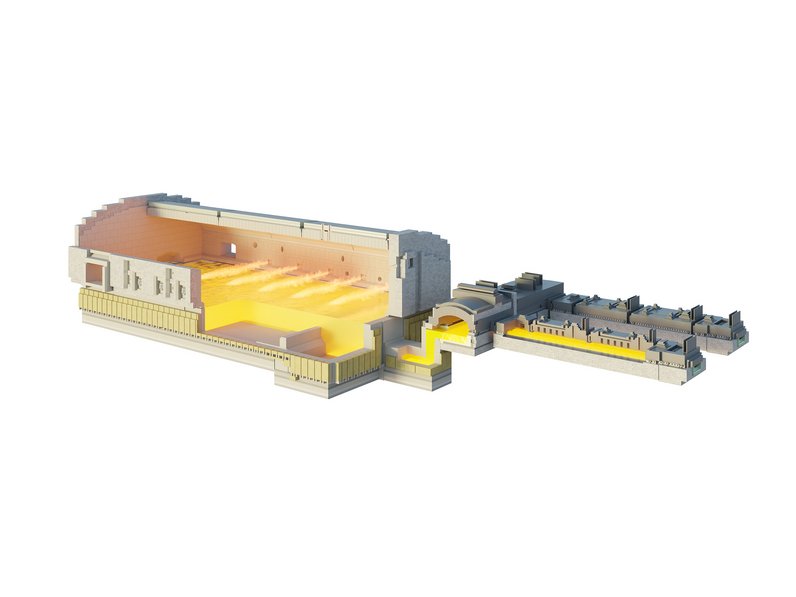
The ideal industrial insulation should perform consistently across a wide temperature range—from 1000°C up to 1350°C—and maintain structural integrity without significant deformation. Rongsheng’s ceramic fiber blanket achieves this with a low thermal conductivity value of approximately 0.035 W/m·K at 1000°C, which drops further as temperature increases. This means less heat loss, reduced fuel consumption, and faster heating cycles—key advantages for energy-intensive industries aiming for sustainability goals.
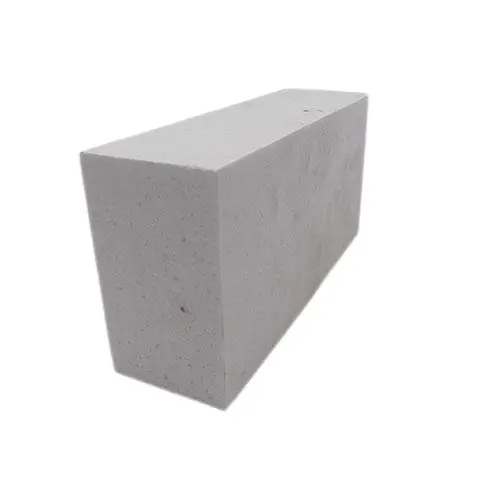
Moreover, its flexible design allows easy molding around irregular shapes such as curved ducts, valves, and complex refractory linings. Unlike rigid panels, this material adapts seamlessly to different geometries, ensuring no gaps or hot spots develop during operation. In fact, field tests conducted by independent labs show a 15–20% improvement in overall thermal efficiency when compared to traditional insulating bricks in similar setups.
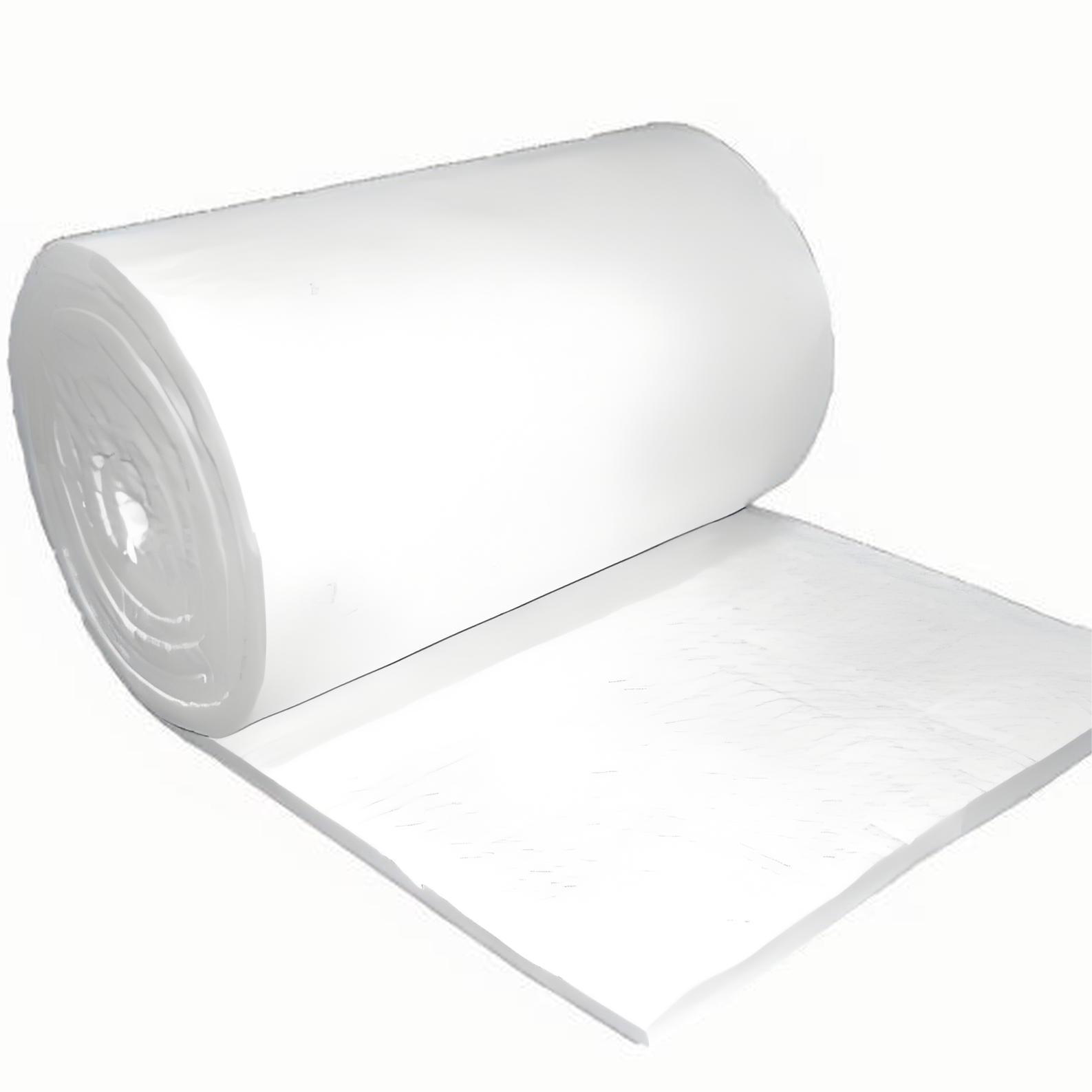
For manufacturers looking to reduce emissions while improving uptime, choosing compliant, high-performance insulation like Rongsheng’s ceramic fiber blanket delivers tangible benefits—not just in technical specs, but in long-term operational savings and compliance readiness.
Get a free sample and detailed technical datasheet for Rongsheng’s CE & ISO-certified ceramic fiber blanket — engineered for 1000–1350°C applications, built for performance, and trusted globally.
Download Product Sheet Now →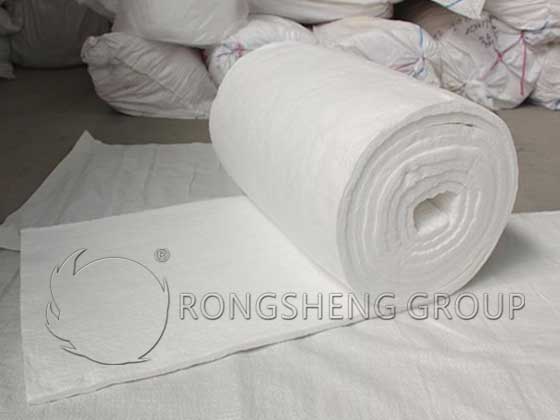
Whether you’re sourcing materials for new installations or optimizing existing systems, understanding the role of international certifications and real-world performance metrics empowers smarter decisions. With Rongsheng’s proven solution, your high-temperature operations can run safer, cooler, and more sustainably—all backed by data, not just promises.
 410
|
410
|
 nitride-bonded silicon carbide brick custom refractory bricks high temperature refractory materials industrial furnace insulation energy-saving refractory solutions
415
|
high temperature industrial furnace insulation flexible ceramic fiber blanket insulation material selection guide energy saving insulation materials industrial furnace thermal performance
166
|
high-temperature insulation material custom insulation panel calcium silicate insulation board industrial energy efficiency solution 耐高温隔热板
368
|
Ceramic fiber chopped cotton Product certification Cross - border e - commerce B2B foreign trade Refractory material certification
486
|
Zirconia ceramic fiber blanket failure analysis High - temperature industrial furnace insulation materials Ceramic fiber blanket installation guide Industrial furnace maintenance skills Refractory material application cases
nitride-bonded silicon carbide brick custom refractory bricks high temperature refractory materials industrial furnace insulation energy-saving refractory solutions
415
|
high temperature industrial furnace insulation flexible ceramic fiber blanket insulation material selection guide energy saving insulation materials industrial furnace thermal performance
166
|
high-temperature insulation material custom insulation panel calcium silicate insulation board industrial energy efficiency solution 耐高温隔热板
368
|
Ceramic fiber chopped cotton Product certification Cross - border e - commerce B2B foreign trade Refractory material certification
486
|
Zirconia ceramic fiber blanket failure analysis High - temperature industrial furnace insulation materials Ceramic fiber blanket installation guide Industrial furnace maintenance skills Refractory material application cases








.png?x-oss-process=image/resize,h_100,m_lfit/format,webp)
.png?x-oss-process=image/resize,h_100,m_lfit/format,webp)
.png?x-oss-process=image/resize,h_100,m_lfit/format,webp)


