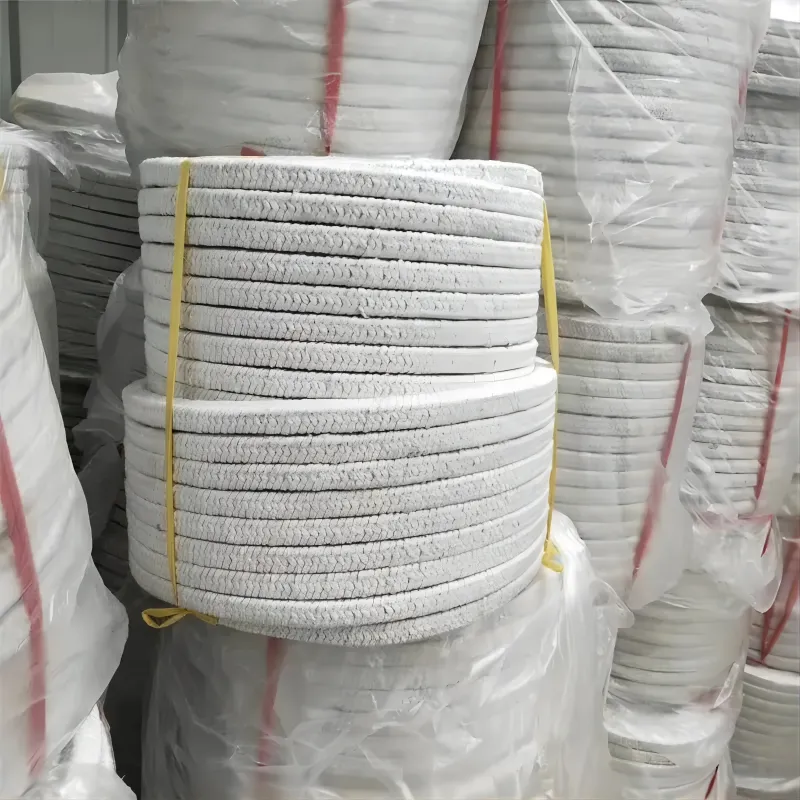
In the dynamic landscape of cross-border e-commerce and B2B trade, product certifications play a pivotal role in building trust between sellers and global buyers. Take Zhengzhou Rongsheng Refractory Material Co., Ltd.'s ceramic fiber short-cut cotton as an example. This article will delve into the top 5 product certification questions that global buyers are most concerned about, guiding you through a comprehensive understanding of the product's unique advantages and innovation.
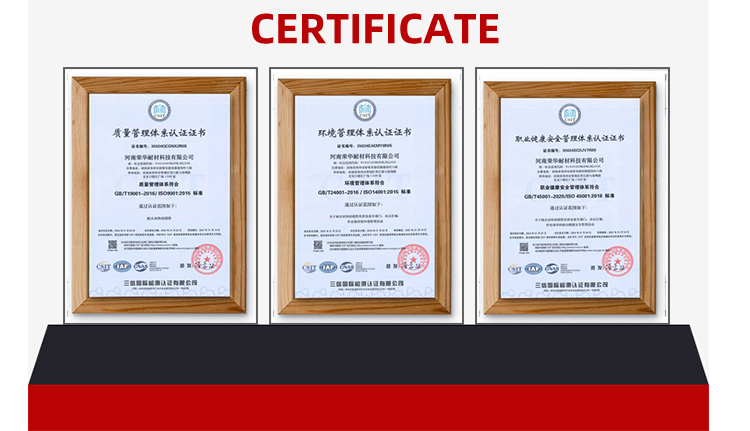
CE and ISO certifications are two international quality standards that carry great weight. The CE mark indicates that the product meets the safety, health, and environmental protection requirements of the European Economic Area. Approximately 70% of European buyers prefer products with CE certification, as it provides them with a sense of security. On the other hand, the ISO certification, such as ISO 9001, reflects the company's high - level quality management system. According to industry research, companies with ISO certification are 30% more likely to win long - term contracts in the international market.
Let's look at a real - life example. A South American buyer was hesitant to purchase ceramic fiber short - cut cotton from Zhengzhou Rongsheng. However, upon seeing the CE and ISO certifications, they were reassured. The certifications not only proved the product's quality but also met their local regulatory requirements. As a result, the trade went smoothly, and the buyer became a repeat customer. This shows how product certifications can eliminate buyers' concerns and promote long - term business relationships.
To make the information more intuitive, we have prepared a virtual demonstration video and a data chart. The video showcases the production process of ceramic fiber short - cut cotton, highlighting how the certified production process ensures high - quality products. The data chart below compares the key technical parameters of our certified products with non - certified ones:
| Parameters | Certified Products | Non - certified Products |
|---|---|---|
| Thermal conductivity | 0.03 - 0.05 W/(m·K) | 0.06 - 0.08 W/(m·K) |
| Alumina content | 45% - 55% | 35% - 40% |
| Melting point | 1700 - 1800 °C | 1500 - 1600 °C |

Global buyers often have some common questions when purchasing refractory materials like ceramic fiber short - cut cotton. For example, they may worry about whether the certification is valid and up - to - date. In fact, Zhengzhou Rongsheng regularly renews its certifications to ensure they are in line with the latest international standards. Another concern is whether the certified products can really meet their specific application requirements. Our R & D team can customize products according to different needs, and the certifications guarantee the basic quality.
To enhance your participation, we have set up a Q&A and voting section. Do you think product certifications are crucial in cross - border trade? Vote now and share your thoughts in the comments section below. Your feedback is valuable to us and can help us improve our services.
The industry is constantly evolving, and so are the certification standards. We keep a close eye on the latest industry dynamics and certification updates to ensure that our content and products are always at the forefront. This not only provides you with the most accurate information but also helps you make the right purchasing decisions in a timely manner.
If you are new to the world of ceramic fiber short - cut cotton, don't worry. Our beginner's guide will help you quickly understand the product's performance and the value of its certifications. From the manufacturing process to the application scenarios, we'll cover all the basics to get you up to speed.
Ready to explore the high - quality ceramic fiber short - cut cotton with reliable CE and ISO certifications? Click here to learn more!
 431
|
431
|
 ceramic fiber modules internationally certified ceramic fiber insulation industrial furnace insulation materials high-temperature refractory modules energy-saving refractory solutions
313
|
B2B digital marketing customer perception experience ceramic fiber chopped cotton refractory material export website content optimization
60
|
ceramic fiber insulation blanket high-temperature industrial insulation refractory insulation materials CE certified insulation blanket energy-efficient thermal insulation
358
|
high-density calcium silicate insulation board customized high-temperature insulation Rongsheng refractory materials thermal insulation solutions energy-efficient insulation boards
ceramic fiber modules internationally certified ceramic fiber insulation industrial furnace insulation materials high-temperature refractory modules energy-saving refractory solutions
313
|
B2B digital marketing customer perception experience ceramic fiber chopped cotton refractory material export website content optimization
60
|
ceramic fiber insulation blanket high-temperature industrial insulation refractory insulation materials CE certified insulation blanket energy-efficient thermal insulation
358
|
high-density calcium silicate insulation board customized high-temperature insulation Rongsheng refractory materials thermal insulation solutions energy-efficient insulation boards


.png?x-oss-process=image/resize,h_100,m_lfit/format,webp)
.png?x-oss-process=image/resize,h_100,m_lfit/format,webp)
.png?x-oss-process=image/resize,h_100,m_lfit/format,webp)