

Industrial furnaces operating at extreme temperatures demand superior insulation materials to maximize energy efficiency and ensure operational safety. Flexible ceramic fiber blankets, with their exceptional thermal resilience reaching up to 1800°C and lightweight adaptability, present a cutting-edge solution tailored for high-temperature industrial applications such as steel manufacturing, power generation, and petrochemical processing.
Flexible ceramic fiber blankets boast outstanding thermal conductivity rates as low as 0.12 W/m·K at 1000°C, significantly outperforming traditional refractory materials. Their low density (approximately 0.24 g/cm³) reduces structural load, while compression resistance exceeding 200 kPa ensures mechanical integrity under industrial stresses. These blankets maintain structural flexibility without significant fiber shedding, preserving insulation continuity during dynamic furnace operation cycles.
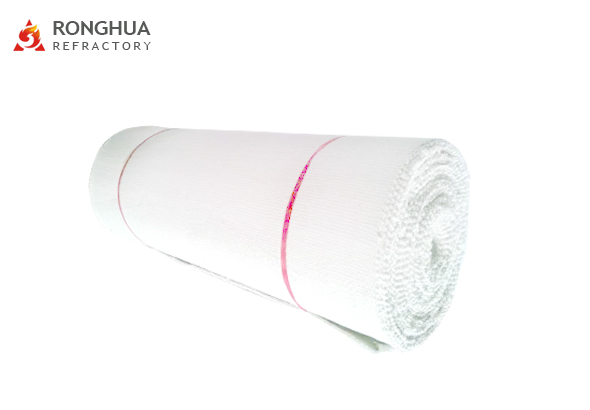
The installation process benefits significantly from the blanket's pliable nature, enabling easy adaptation to complex furnace geometries without the need for extensive mechanical fixing. Installation contractors report up to a 30% reduction in labor hours compared to rigid insulation panels. Proper substrate preparation—cleaning and leveling—is critical to optimize adhesion and prevent material slip. Recommended practices include securing blankets with stainless steel pins or ceramic adhesive tapes rated for over 1200°C.
Regular inspection for physical damage, fiber erosion, and thermal degradation is imperative. Scheduled maintenance intervals—generally every 6 to 12 months depending on operational load—should include tensile strength tests and visual checks for cracks or delamination. Comprehensive cleaning using low-pressure air jets minimizes fiber contamination without compromising blanket integrity. Additionally, ensuring consistent furnace atmosphere control reduces oxidative wear of the ceramic fibers.
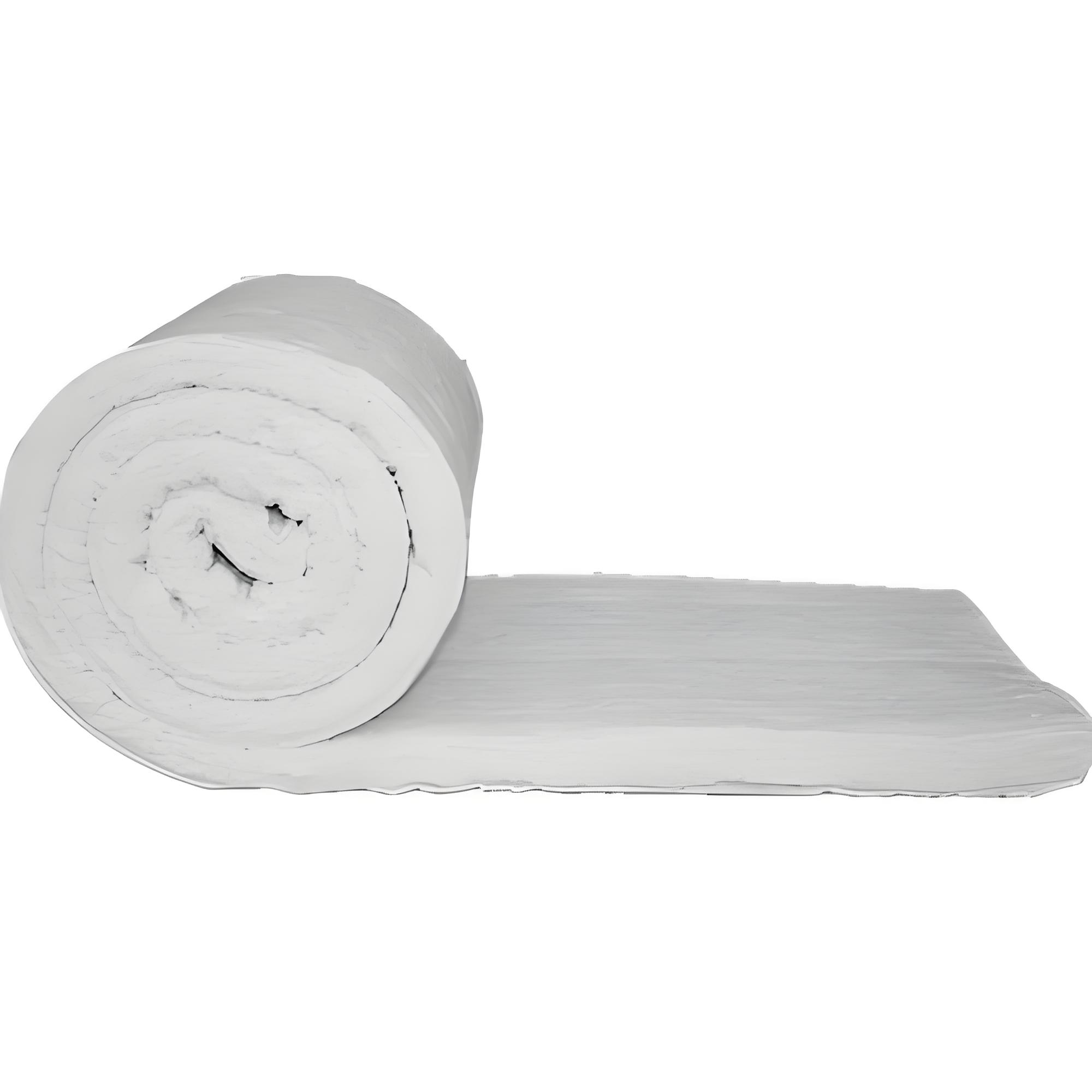
In a leading steel production plant, replacing conventional rigid insulation with flexible ceramic fiber blankets led to a 15% decrease in fuel consumption over six months, while thermal energy losses were curtailed by up to 18%. Simultaneously, the power generation sector recorded enhanced equipment uptime by minimizing refractory cracking. Petrochemical refineries also reported reductions in heat leakage that contributed to safer operating environments and compliance with stringent industrial safety standards.
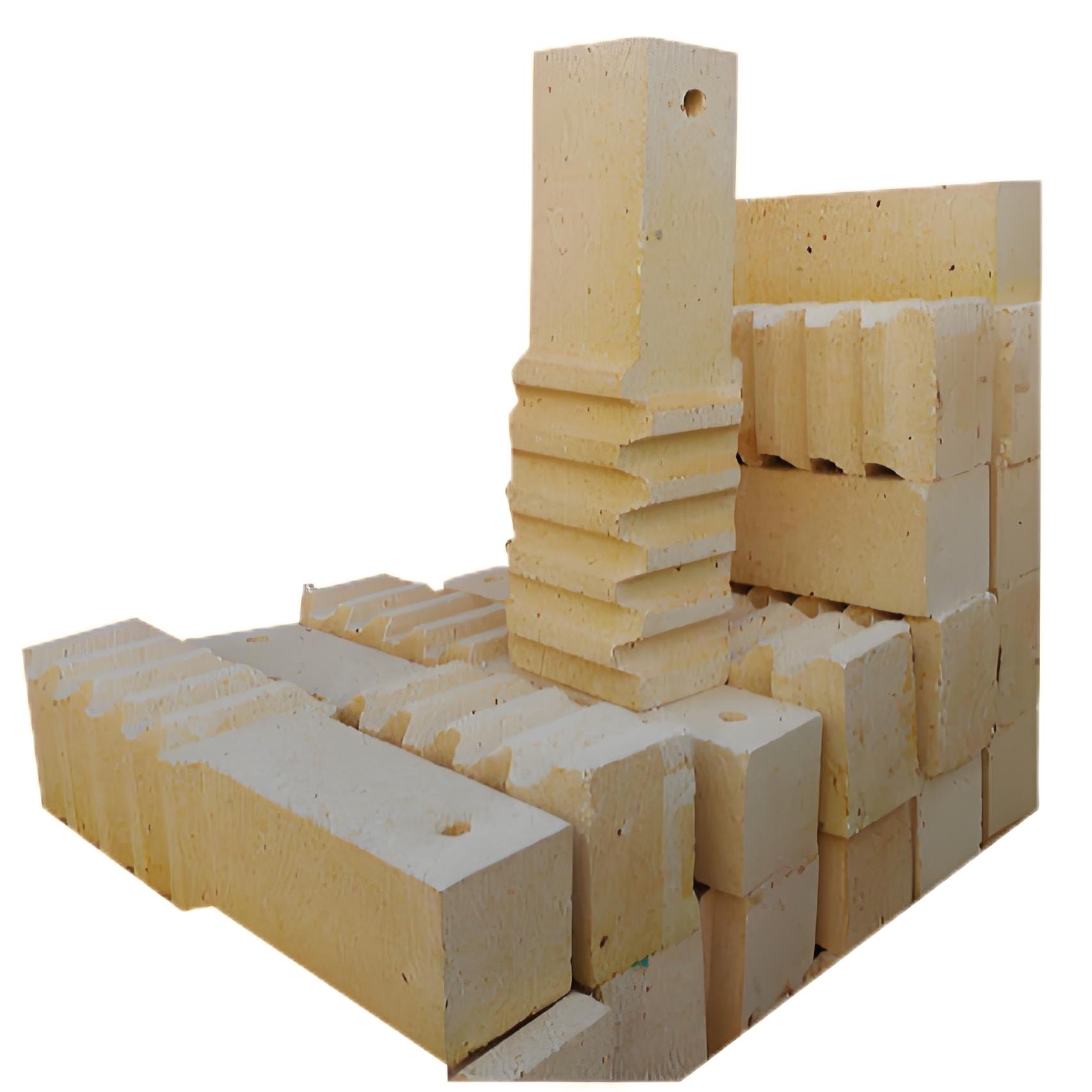
Many buyers mistakenly prioritize initial cost over performance metrics, risking premature insulation failure and costly downtime. Additionally, some underestimate the criticality of mechanical properties relative to thermal specifications, leading to inadequate protection against operational abrasion or vibration. This guide advocates a balanced evaluation supported by measurable parameters: max service temperature, fiber stability, installation adaptability, and proven in-field durability.
Have you encountered unique challenges or innovative solutions during ceramic fiber blanket installations? Share your insights or questions in the comments below and join a community of industry experts driving the future of thermal insulation technology.
 415
|
415
|
 high temperature industrial furnace insulation flexible ceramic fiber blanket insulation material selection guide energy saving insulation materials industrial furnace thermal performance
119
|
B2B export marketing brand culture perception ceramic fiber staple wool high-temperature materials international market strategy
235
|
high temperature fireproof panels calcium silicate fireboard industrial refractory materials fireproof panel certification thermal insulation performance
153
|
Calcium silicate fireproof board Extreme high-temperature fireproof materials Thermal insulation performance High-temperature industrial fire prevention Solutions to fireproof material performance degradation
316
|
flexible ceramic fiber blanket performance high temperature furnace insulation thermal conductivity comparison temperature resistance limit mechanical strength testing
high temperature industrial furnace insulation flexible ceramic fiber blanket insulation material selection guide energy saving insulation materials industrial furnace thermal performance
119
|
B2B export marketing brand culture perception ceramic fiber staple wool high-temperature materials international market strategy
235
|
high temperature fireproof panels calcium silicate fireboard industrial refractory materials fireproof panel certification thermal insulation performance
153
|
Calcium silicate fireproof board Extreme high-temperature fireproof materials Thermal insulation performance High-temperature industrial fire prevention Solutions to fireproof material performance degradation
316
|
flexible ceramic fiber blanket performance high temperature furnace insulation thermal conductivity comparison temperature resistance limit mechanical strength testing





.png?x-oss-process=image/resize,h_100,m_lfit/format,webp)
.png?x-oss-process=image/resize,h_100,m_lfit/format,webp)
.png?x-oss-process=image/resize,h_100,m_lfit/format,webp)


