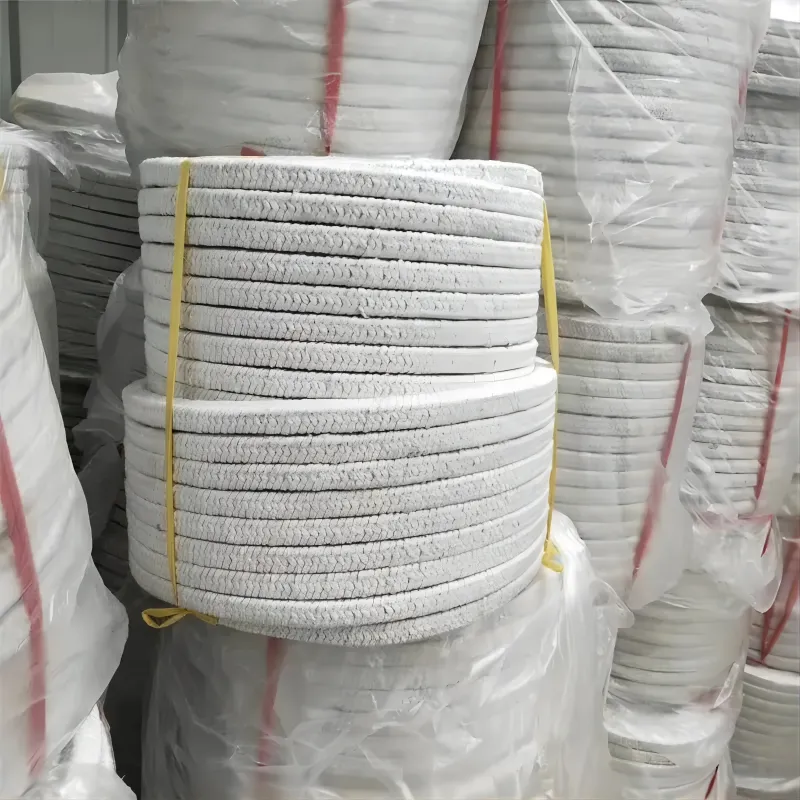
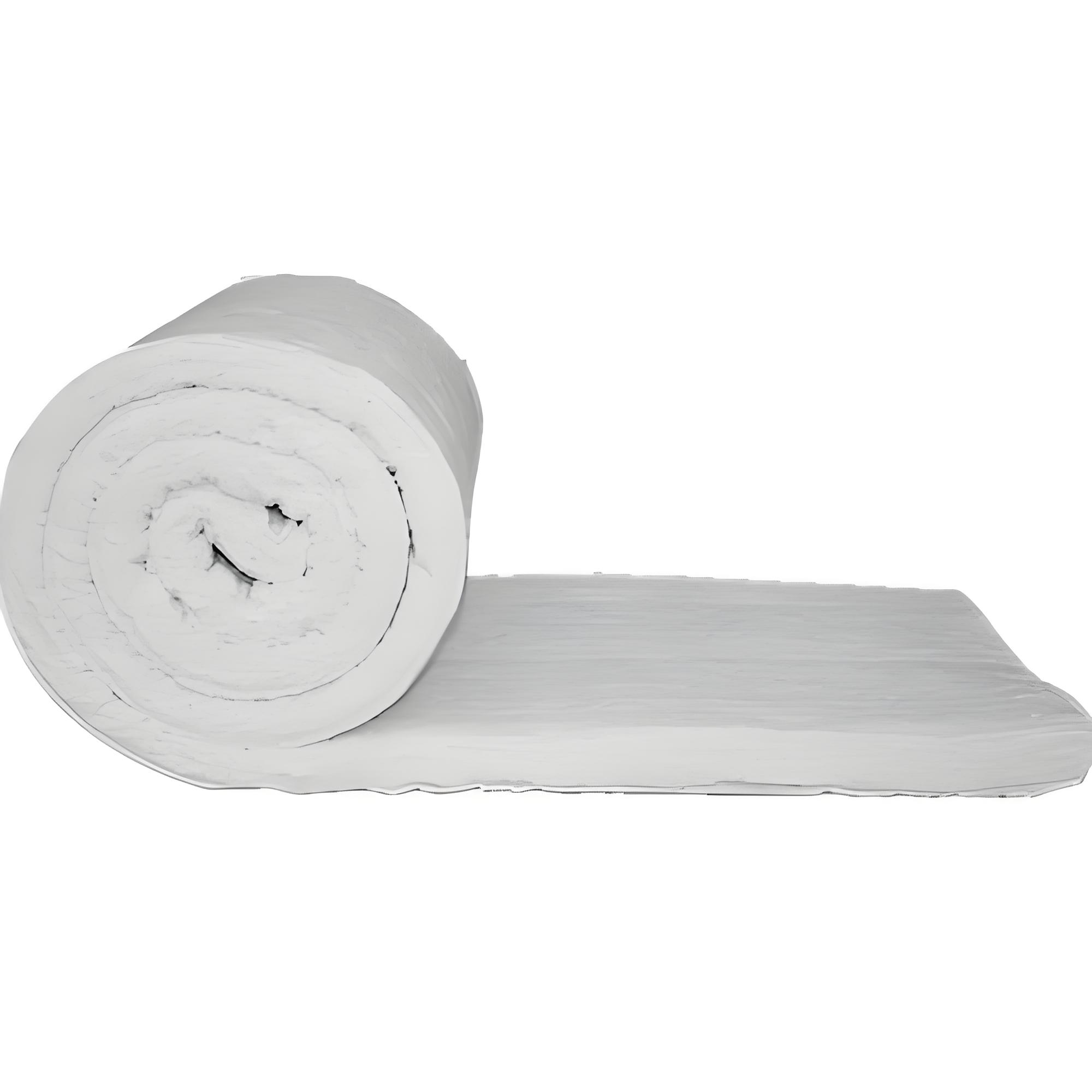
Choosing the right insulation material for high-temperature industrial furnaces is more than a technical decision—it’s a strategic one that impacts energy efficiency, safety, and long-term operational costs. Among the options available, flexible ceramic fiber blankets have emerged as a top performer in sectors like steelmaking, power generation, and petrochemical processing.
Let’s dive into the numbers:
These figures aren’t just lab results—they’re validated across real-world installations in China’s steel plants and Middle East refineries. For example, one integrated steel mill reported a 15% drop in fuel consumption after switching from mineral wool to our ceramic fiber blanket system—while also reducing maintenance downtime by 30%.
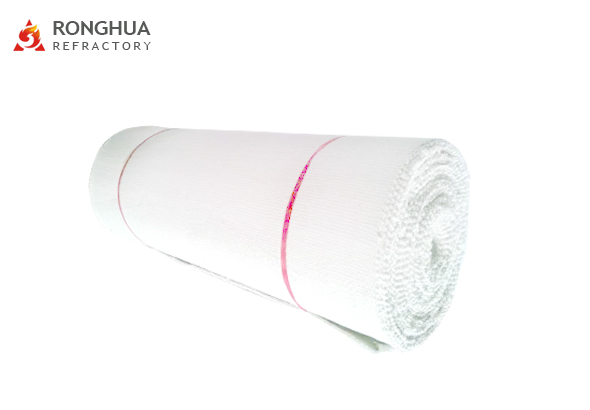
What makes this material stand out isn't just performance—it's how it behaves on-site. Unlike rigid panels that require precise cutting and bolting, flexible ceramic fiber blankets can be wrapped around irregular shapes with minimal tools. One engineer in Saudi Arabia noted: “We cut installation time by nearly 50%—and no more hot spots from poor fit.”
Maintenance is equally straightforward: simply inspect once per quarter for signs of compression or contamination. With proper handling, these blankets last 3–5 years in most industrial settings—far exceeding typical insulation lifespans.
Many buyers fall into two traps:
The solution? Start with a clear specification sheet that includes temperature profiles, mechanical load requirements, and expected service life. Then validate against actual test data—not marketing claims.
If you're evaluating insulation solutions for your next project—or looking to upgrade an existing setup—consider what real-world performance looks like, not just specs on paper.
Want to see how our ceramic fiber blanket performed in your specific application?
Get a free sample kit + technical datasheet tailored to your furnace type — no obligation.
Download Sample Kit Now →
Engineers don’t just choose materials—they choose outcomes. What outcome are you aiming for?
 83
|
83
|
 Calcium silicate fireproof board High-temperature fireproof material Energy saving Industrial insulation board Customized fireproof solution
415
|
high temperature industrial furnace insulation flexible ceramic fiber blanket insulation material selection guide energy saving insulation materials industrial furnace thermal performance
475
|
Internationally certified fireproof board High - temperature industrial fireproof materials Calcium silicate fireproof board Insulation performance fireproof board Customized fireproof board solutions
335
|
ceramic fiber short cut cotton industrial furnace insulation high temperature refractory material energy efficient refractory products B2B product page optimization
460
|
calcium silicate fireproof board high temperature fire resistant material refractory insulation board industrial fireproofing solution thermal insulation panel
Calcium silicate fireproof board High-temperature fireproof material Energy saving Industrial insulation board Customized fireproof solution
415
|
high temperature industrial furnace insulation flexible ceramic fiber blanket insulation material selection guide energy saving insulation materials industrial furnace thermal performance
475
|
Internationally certified fireproof board High - temperature industrial fireproof materials Calcium silicate fireproof board Insulation performance fireproof board Customized fireproof board solutions
335
|
ceramic fiber short cut cotton industrial furnace insulation high temperature refractory material energy efficient refractory products B2B product page optimization
460
|
calcium silicate fireproof board high temperature fire resistant material refractory insulation board industrial fireproofing solution thermal insulation panel





.png?x-oss-process=image/resize,h_100,m_lfit/format,webp)
.png?x-oss-process=image/resize,h_100,m_lfit/format,webp)
.png?x-oss-process=image/resize,h_100,m_lfit/format,webp)