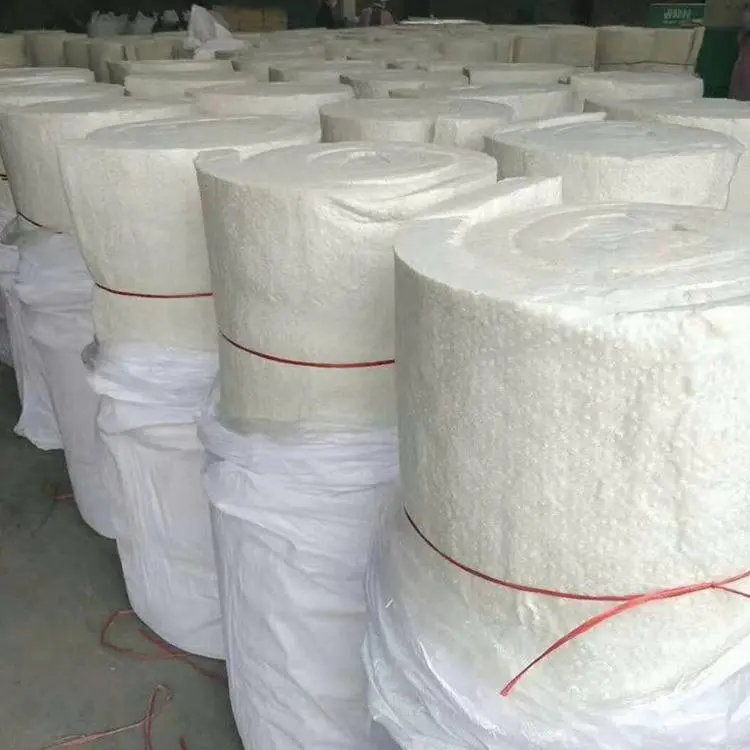
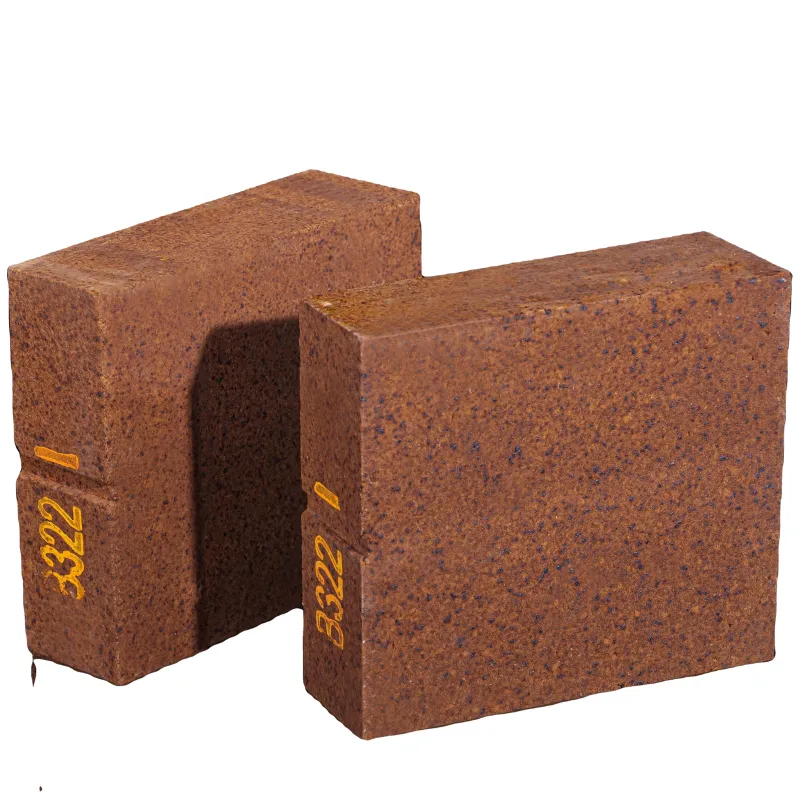
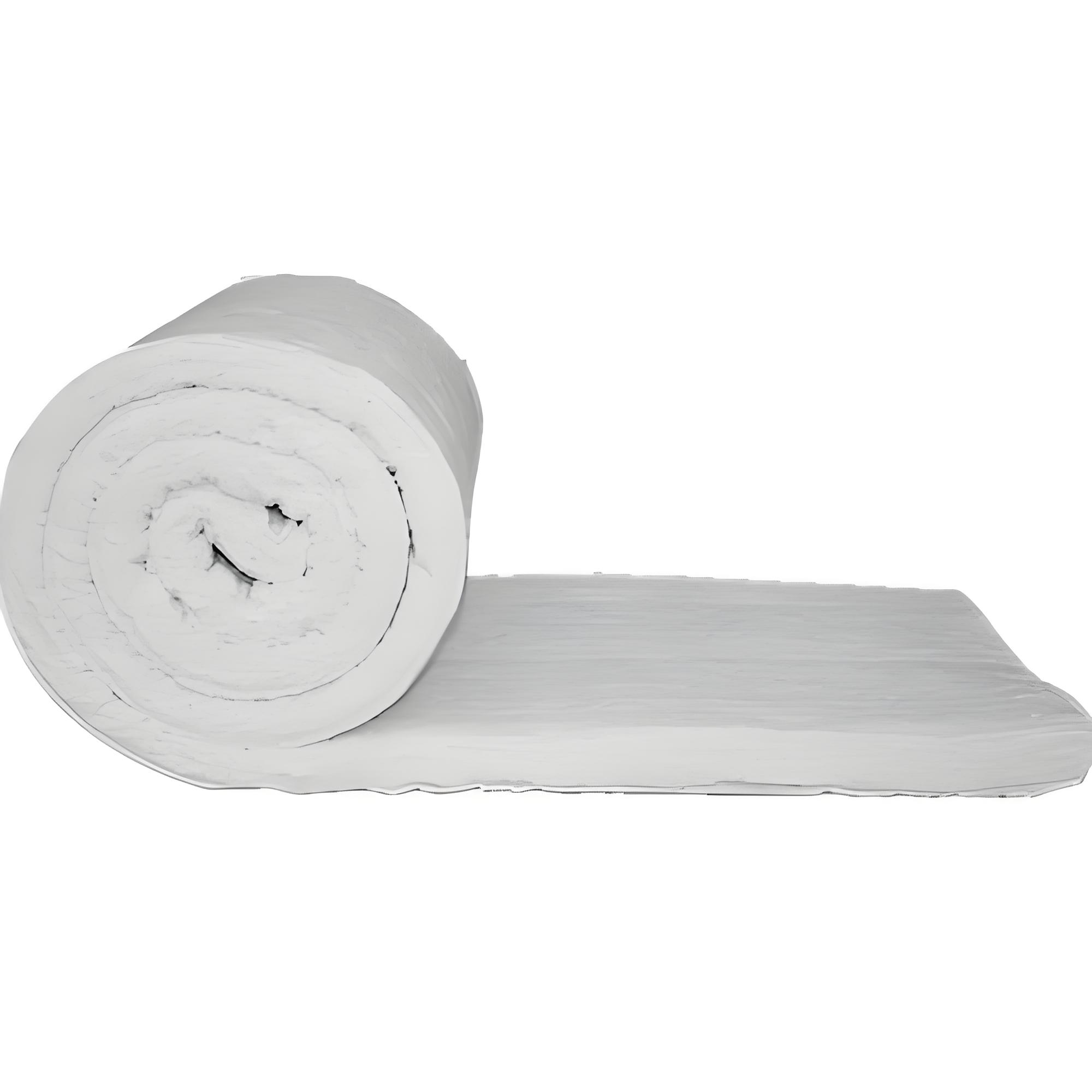
Flexible ceramic fiber blankets have established themselves as essential high-temperature insulation materials in advanced industrial applications. Zhengzhou Rongsheng Refractory Materials Co., Ltd. leads innovation with its zirconia-based flexible ceramic fiber blankets, engineered through meticulous production processes that optimize raw material ratios and utilize cutting-edge nanotechnology. This article delves into the full production cycle—from raw material selection to thermal treatment—highlighting how each stage critically influences the product’s microstructure and thermal performance, ultimately elevating its heat resistance and mechanical strength.
The cornerstone of superior flexible ceramic fiber blankets lies in the controlled blending of high-purity alumina, silica, and zirconia powders. Zirconia (ZrO2), with its high melting point and thermal stability, is incorporated at optimal ratios around 10-15% to enhance refractoriness beyond 1800°C. Precise control of particle size distribution and chemical purity is paramount; impurities above 0.1% can drastically undermine mechanical integrity and thermal resistance.
Leveraging recent advancements, nano-sized zirconia particles (~50 nm) are homogeneously dispersed within the fiber matrix, effectively hindering grain growth during high-temperature exposure and reducing thermal conductivity by up to 15% compared to microscale counterparts.
The fiber manufacturing process employs controlled melting and fiberization techniques, including blow spinning and centrifuging, to produce continuous fibers with diameters ranging from 2 to 5 microns. Maintaining uniform fiber diameter distribution ensures consistent insulation properties and mechanical performance.
The incorporation of surface modifiers during spinning facilitates enhanced fiber bonding and flexibility, critical for maintaining blanket integrity under repeated thermal cycling.
The ready fibers undergo vacuum suction or needle-punching methods to form blanket mats of uniform thickness (commonly 12–50 mm). Controlling fiber orientation and density (~160–220 kg/m3) is essential to balance low thermal conductivity and mechanical strength.
Advanced nanoparticle doping during the mat formation phase further improves thermal shock resistance by reinforcing fiber interconnections without compromising softness—a unique advantage of Zhengzhou Rongsheng’s flexible ceramic fiber blankets.
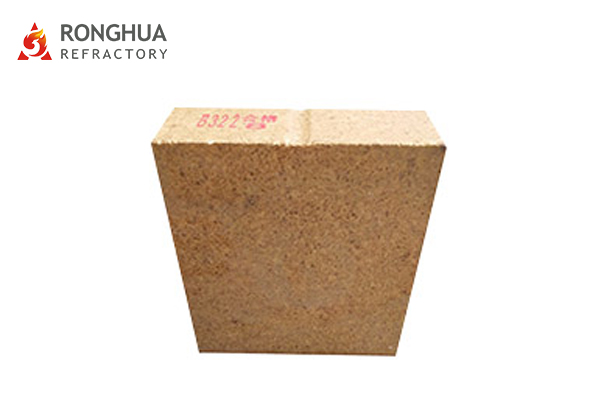
Precision-controlled calcination at 900–1100°C removes residual organics and stabilizes fiber morphology. Subsequently, high-temperature annealing near 1200°C enhances crystallinity without degrading flexibility. This dual-step thermal regime optimizes fiber bonding, shrinkage rate (<3%), and dimensional stability under prolonged exposure to temperatures up to 1800°C.
Experimental studies show the blankets exhibit a thermal conductivity as low as 0.09 W/m·K at 1200°C, outperforming conventional alumina-silica fibers by approximately 20%. Additionally, the coefficient of thermal expansion remains at a minimal 4.5×10⁻⁶/K, ensuring structural integrity during rapid temperature fluctuations.
Zirconia nanoparticle integration is augmented by silicon carbide (SiC) whiskers at concentrations around 3%, which significantly boost mechanical strength by 25% while maintaining thermal insulation. Surface functionalization of fibers with silane coupling agents enhances chemical stability and resistance to alkaline environments.
Such sophisticated material modifications are vital for applications in aerospace, metallurgy, and petrochemical industries where exposure to extreme thermal and chemical conditions is routine.
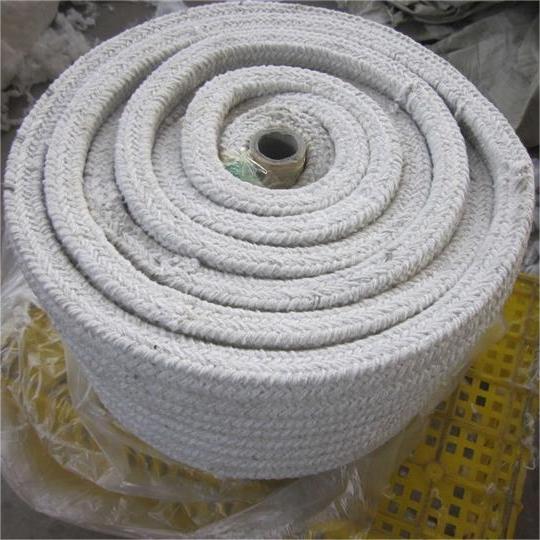
Production facilities aiming to replicate or improve performance can implement:
Based on rigorous laboratory testing:
| Temperature (°C) | Thermal Conductivity (W/m·K) | Thermal Expansion (×10−6/K) |
|---|---|---|
| Room Temp (25°C) | 0.06 | 3.8 |
| 600°C | 0.08 | 4.0 |
| 1200°C | 0.09 | 4.5 |
| 1800°C | 0.11 | 4.8 |
What innovative raw material blends or fiber treatments have you found effective in boosting flexible ceramic fiber blanket performance under extreme conditions? Share your insights, challenges, or questions below—together, we can push the boundaries of high-temperature insulation technology.
Quality certified by ISO 9001 and backed by unparalleled after-sales support from Zhengzhou Rongsheng Refractory Materials Co., Ltd.
 313
|
313
|
 B2B digital marketing customer perception experience ceramic fiber chopped cotton refractory material export website content optimization
153
|
Calcium silicate fireproof board Extreme high-temperature fireproof materials Thermal insulation performance High-temperature industrial fire prevention Solutions to fireproof material performance degradation
365
|
Ceramic fiber chopped cotton Product certification Cross - border e - commerce B2B foreign trade Refractory material certification
335
|
ceramic fiber short cut cotton industrial furnace insulation high temperature refractory material energy efficient refractory products B2B product page optimization
460
|
calcium silicate fireproof board high temperature fire resistant material refractory insulation board industrial fireproofing solution thermal insulation panel
B2B digital marketing customer perception experience ceramic fiber chopped cotton refractory material export website content optimization
153
|
Calcium silicate fireproof board Extreme high-temperature fireproof materials Thermal insulation performance High-temperature industrial fire prevention Solutions to fireproof material performance degradation
365
|
Ceramic fiber chopped cotton Product certification Cross - border e - commerce B2B foreign trade Refractory material certification
335
|
ceramic fiber short cut cotton industrial furnace insulation high temperature refractory material energy efficient refractory products B2B product page optimization
460
|
calcium silicate fireproof board high temperature fire resistant material refractory insulation board industrial fireproofing solution thermal insulation panel


.png?x-oss-process=image/resize,h_100,m_lfit/format,webp)
.png?x-oss-process=image/resize,h_100,m_lfit/format,webp)
.png?x-oss-process=image/resize,h_100,m_lfit/format,webp)