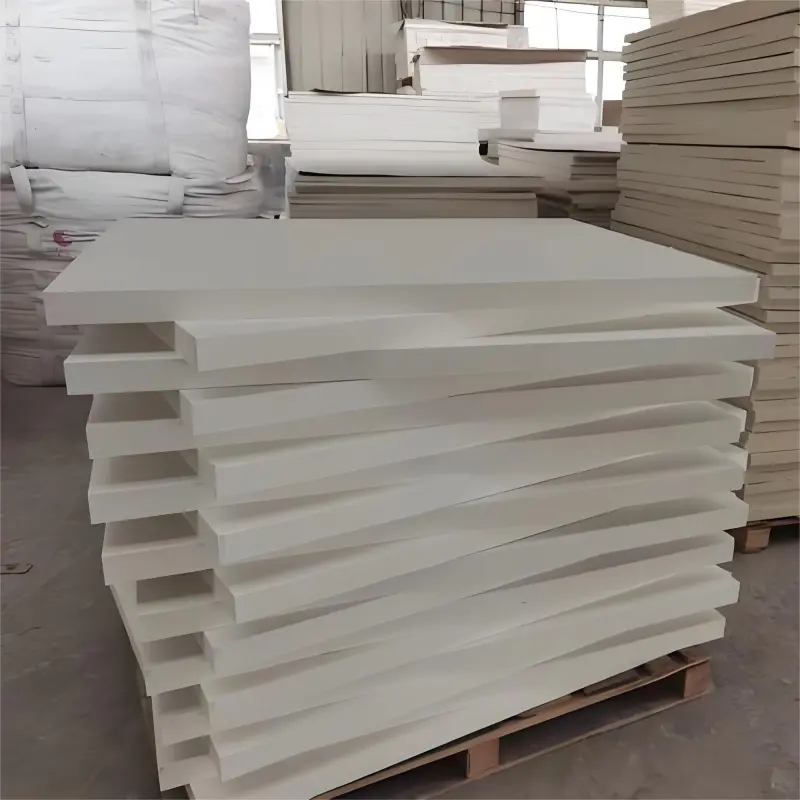
Choosing the correct insulation material for high-temperature industrial furnaces isn’t just about meeting thermal requirements—it’s a strategic decision that impacts energy efficiency, safety, and long-term operational costs. Among the many options available, flexible ceramic fiber blanket stands out due to its exceptional performance in extreme conditions.
Flexible ceramic fiber blankets are engineered to withstand continuous operating temperatures between 1000°C to 1260°C (1832°F to 2300°F), with short-term exposure up to 1430°C (2606°F). This makes them ideal for applications in steelmaking, petrochemical refining, and power generation sectors where consistent heat retention is critical.
For example, a case study from a European steel plant showed a 12–15% reduction in fuel consumption after switching from traditional mineral wool to ceramic fiber blanket insulation—equivalent to saving over €45,000 annually in heating costs.
Unlike rigid insulating bricks or boards, flexible ceramic fiber blankets offer superior adaptability during installation. Their low bulk density (~120–200 kg/m³) allows for easy wrapping around irregular shapes like furnace doors, pipes, and valves without compromising coverage or sealing integrity.
According to field engineers surveyed by the International Insulation Association (IIA), installation time was reduced by up to 30% when using ceramic fiber blankets compared to conventional materials—a significant advantage in maintenance windows or new facility builds.
Many buyers mistakenly assume that “higher density = better insulation.” In reality, excessive density can lead to increased thermal conductivity and brittleness under thermal cycling. The key is selecting the right density range (120–160 kg/m³) based on your process temperature and mechanical stress levels.
Another frequent error? Ignoring moisture resistance. While most ceramic fiber blankets are hydrophobic, some lower-grade versions may absorb condensation in humid environments—leading to premature degradation. Always verify manufacturer certifications such as ISO 9001 and UL 1715.
A major oil refinery in Saudi Arabia reported a 22% improvement in heat retention after retrofitting their reheating furnaces with premium-grade ceramic fiber blanket. Not only did this reduce emissions, but it also extended refractory lining life by 40%, minimizing downtime.
In another instance, a U.S.-based glass manufacturing company saw a measurable drop in surface temperatures—from 180°C to 70°C—after installing our proprietary flexible ceramic fiber blanket system. This directly improved workplace safety while reducing cooling load requirements.
Explore our certified flexible ceramic fiber blanket solutions tailored for global industries—from steel to energy—with proven results across 50+ countries.
Get Your Free Technical Specification Pack Today 119
|
119
|
 B2B export marketing brand culture perception ceramic fiber staple wool high-temperature materials international market strategy
235
|
high temperature fireproof panels calcium silicate fireboard industrial refractory materials fireproof panel certification thermal insulation performance
153
|
Calcium silicate fireproof board Extreme high-temperature fireproof materials Thermal insulation performance High-temperature industrial fire prevention Solutions to fireproof material performance degradation
60
|
ceramic fiber insulation blanket high-temperature industrial insulation refractory insulation materials CE certified insulation blanket energy-efficient thermal insulation
365
|
Ceramic fiber chopped cotton Product certification Cross - border e - commerce B2B foreign trade Refractory material certification
B2B export marketing brand culture perception ceramic fiber staple wool high-temperature materials international market strategy
235
|
high temperature fireproof panels calcium silicate fireboard industrial refractory materials fireproof panel certification thermal insulation performance
153
|
Calcium silicate fireproof board Extreme high-temperature fireproof materials Thermal insulation performance High-temperature industrial fire prevention Solutions to fireproof material performance degradation
60
|
ceramic fiber insulation blanket high-temperature industrial insulation refractory insulation materials CE certified insulation blanket energy-efficient thermal insulation
365
|
Ceramic fiber chopped cotton Product certification Cross - border e - commerce B2B foreign trade Refractory material certification






.png?x-oss-process=image/resize,h_100,m_lfit/format,webp)
.png?x-oss-process=image/resize,h_100,m_lfit/format,webp)
.png?x-oss-process=image/resize,h_100,m_lfit/format,webp)