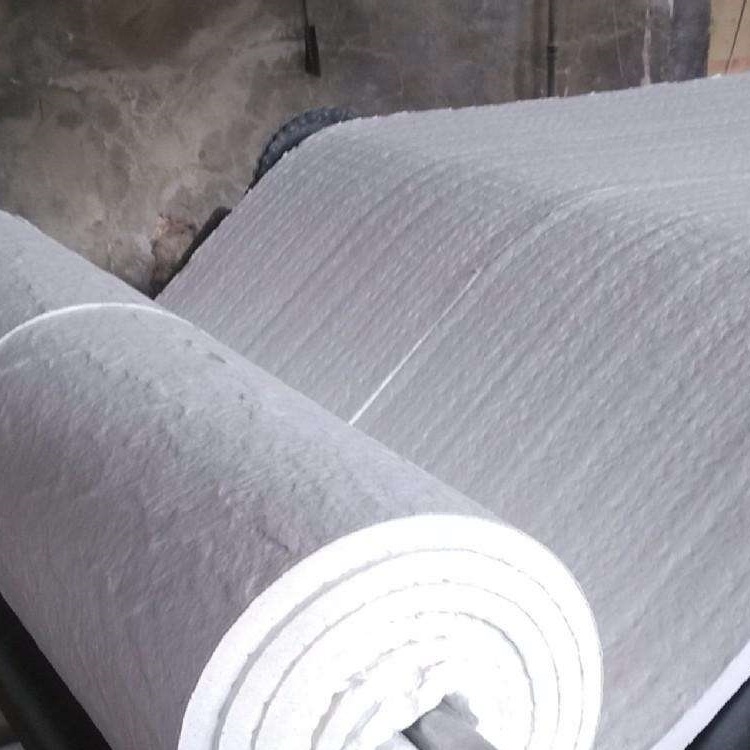
The industrial demand for energy-efficient, durable, and high-performance insulation materials continues to grow, especially for high-temperature applications in sectors such as ceramics, metallurgy, and glass manufacturing. Zhengzhou Rongsheng Kiln Refractory Co., Ltd. has pioneered a cutting-edge solution with their high-alumina oxide and silica-based refractory ceramic fiber blankets, specially engineered to exhibit a remarkably low thermal conductivity of 0.16 W/m·K at 800°C and a density of 128 kg/m³. These technical parameters mark a significant advancement in refractory insulation technology, promising substantial energy savings and operational cost reductions for industrial furnaces.
The core of this refractory fiber blanket's performance lies in its innovative composition and fiber microstructure. By combining high-alumina oxide (Al₂O₃) with silica (SiO₂) fibers, Rongsheng engineers have optimized thermal resistance and mechanical strength. The unique fiber matrix creates thousands of micro air pockets, which act as insulation barriers to inhibit heat transmission. This composite design leverages alumina’s intrinsic high temperature stability and silica’s low thermal conductivity to ensure long-term dimensional stability and resistance to thermal shock in furnace operating temperatures up to 1260°C.
Densified at 128 kg/m³, the fiber blanket maintains a balanced structure that prevents fiber collapse while minimizing conductive heat pathways. This density level has been scientifically correlated to an ideal ratio of insulation efficacy versus mechanical durability—crucial for industrial users requiring both energy conservation and reliability in harsh operating environments.
The blanket thickness directly influences its heat retention capacity. Rongsheng offers customizable thickness options ranging from 10 to 50 millimeters, enabling users to tailor insulation solutions for specific furnace zones and heat flux conditions. Thicker blankets demonstrate superior resistance to heat transmission, making them optimal for high-temperature zones or continuous operation scenarios, while thinner options reduce material usage for lower-temperature or less critical sections.
A key enhancement to the blanket’s durability and heat reflection is the application of an aluminum foil backing coating. This surface treatment serves multiple functions: it enhances mechanical protection against abrasion, provides a radiant heat reflective barrier reducing emissivity losses, and facilitates easier handling and installation. The foil backing also shields the fiber matrix from contaminants and aids in maintaining consistent insulation performance throughout its service life.
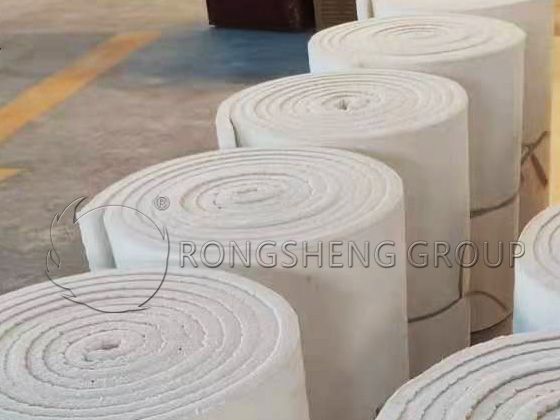
Extensive field applications in ceramics, metallurgy, and glass industries demonstrate the blanket’s capacity to markedly reduce thermal losses. For example, in ceramic kilns operating at 800°C, installing a 30mm thick Rongsheng fiber blanket can trim heat loss by approximately 25%, directly translating into lower fuel consumption and carbon emissions. Additionally, in metallurgical furnace linings, its mechanical resilience helps sustain furnace integrity, reducing maintenance downtime and operating expenses.
Experimental data reveals that, compared to conventional insulating materials, this refractory fiber blanket lowers the overall energy expenditure by an estimated 15–30% depending on furnace design and operational parameters. Such optimization contributes significantly to the user’s sustainability targets while offering a swift return on investment.
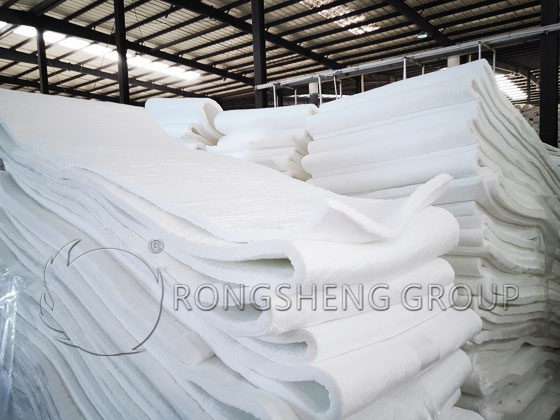
Recognizing the diverse requirements of global industrial clients, Zhengzhou Rongsheng provides tailored solutions including customized blanket thickness, density, and surface treatments. The company holds international quality certifications ensuring compliance with global safety and performance standards, which underpin customer confidence in long-term reliability.
Furthermore, Rongsheng offers comprehensive after-sales service including technical consultation, installation guidance, and lifecycle management support. This client-centric approach enables more efficient integration into existing furnace systems and maximizes the operational benefits from these advanced refractory fiber blankets.
 207
|
207
|
 High - temperature kiln insulation materials Low - thermal conductivity ceramic fiber blanket Thermal conductivity optimization of ceramic fiber blanket Industrial kiln energy - saving solutions Refractory material technology analysis
102
|
zirconia ceramic fiber blanket installation high temperature industrial furnace insulation ceramic fiber blanket cutting design layered fiber blanket laying technique industrial furnace maintenance guide
60
|
ceramic fiber insulation blanket high-temperature industrial insulation refractory insulation materials CE certified insulation blanket energy-efficient thermal insulation
178
|
high temperature furnace insulation materials ceramic fiber blanket performance insulation material selection for industrial furnaces energy-saving refractory materials ceramic fiber blanket temperature limit
358
|
high-density calcium silicate insulation board customized high-temperature insulation Rongsheng refractory materials thermal insulation solutions energy-efficient insulation boards
High - temperature kiln insulation materials Low - thermal conductivity ceramic fiber blanket Thermal conductivity optimization of ceramic fiber blanket Industrial kiln energy - saving solutions Refractory material technology analysis
102
|
zirconia ceramic fiber blanket installation high temperature industrial furnace insulation ceramic fiber blanket cutting design layered fiber blanket laying technique industrial furnace maintenance guide
60
|
ceramic fiber insulation blanket high-temperature industrial insulation refractory insulation materials CE certified insulation blanket energy-efficient thermal insulation
178
|
high temperature furnace insulation materials ceramic fiber blanket performance insulation material selection for industrial furnaces energy-saving refractory materials ceramic fiber blanket temperature limit
358
|
high-density calcium silicate insulation board customized high-temperature insulation Rongsheng refractory materials thermal insulation solutions energy-efficient insulation boards


.png?x-oss-process=image/resize,h_100,m_lfit/format,webp)
.png?x-oss-process=image/resize,h_100,m_lfit/format,webp)
.png?x-oss-process=image/resize,h_100,m_lfit/format,webp)