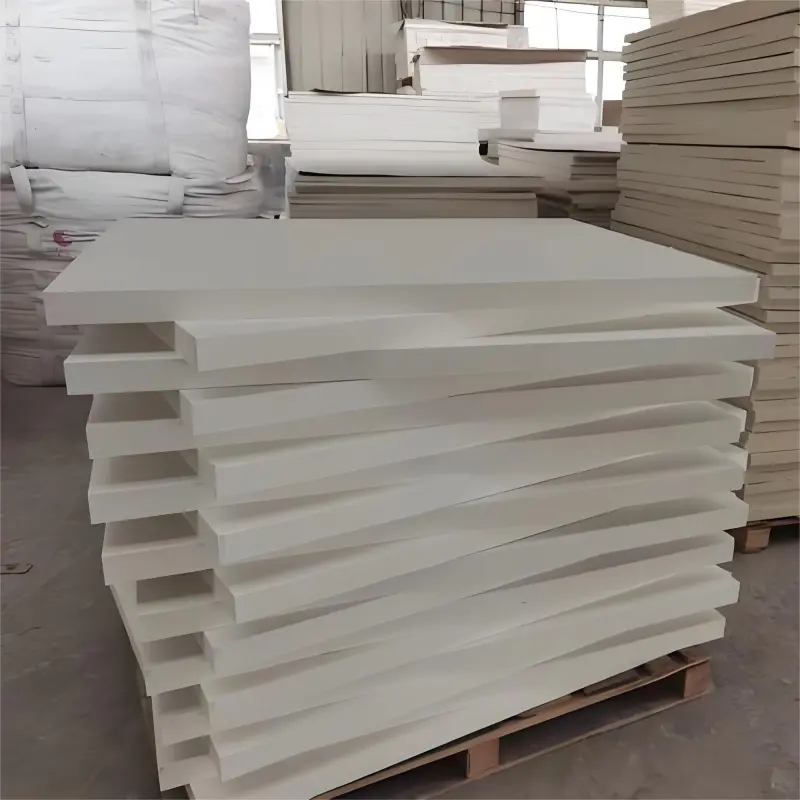
If you're involved in purchasing insulation for high-temperature industrial furnaces—whether in steelmaking, power generation, or petrochemicals—you know how easy it is to get misled by marketing claims or outdated specifications.
Let’s cut through the noise. The right choice isn’t just about price—it’s about performance under real-world conditions, long-term safety, and energy efficiency. Here’s what experts like Dr. Emily Chen (Materials Science, University of Birmingham) say: “Insulation materials must be evaluated not only by their peak temperature ratings but also by thermal conductivity at operating ranges.”
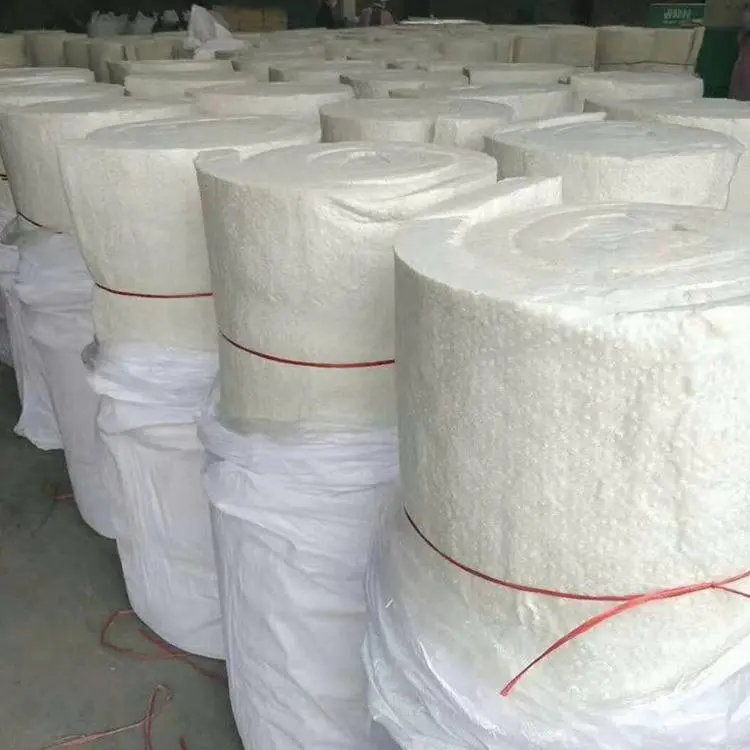
Traditional refractory bricks may look familiar, but they come with hidden costs: higher weight, slower installation, and poor thermal shock resistance. In contrast, modern flexible ceramic fiber blankets offer:
| Material Type | Max Continuous Temp (°C) | Thermal Conductivity (W/m·K @ 1000°C) | Installation Time (per m²) |
|---|---|---|---|
| Standard Refractory Brick | 1400 | 0.06–0.09 | ~4 hrs |
| Flexible Ceramic Fiber Blanket | 1800 | 0.03–0.05 | ~30 mins |
Real-world results from a Chinese steel mill show a 12% drop in fuel consumption after switching from brick to ceramic fiber blanket—without compromising furnace stability. That’s not just savings—it’s operational resilience.
Remember: smart procurement means thinking beyond the purchase order. It’s about building a system where material selection directly supports productivity, safety, and sustainability.
Get expert advice tailored to your process—plus free technical support and on-site application guidance.
Explore Rongsheng Zirconia Ceramic Fiber Blanket SolutionsHave questions about your specific furnace setup? Share your challenges in the comments—we’ll help you find the best fit.
 83
|
83
|
 Calcium silicate fireproof board High-temperature fireproof material Energy saving Industrial insulation board Customized fireproof solution
475
|
Internationally certified fireproof board High - temperature industrial fireproof materials Calcium silicate fireproof board Insulation performance fireproof board Customized fireproof board solutions
365
|
Ceramic fiber chopped cotton Product certification Cross - border e - commerce B2B foreign trade Refractory material certification
358
|
high-density calcium silicate insulation board customized high-temperature insulation Rongsheng refractory materials thermal insulation solutions energy-efficient insulation boards
460
|
calcium silicate fireproof board high temperature fire resistant material refractory insulation board industrial fireproofing solution thermal insulation panel
Calcium silicate fireproof board High-temperature fireproof material Energy saving Industrial insulation board Customized fireproof solution
475
|
Internationally certified fireproof board High - temperature industrial fireproof materials Calcium silicate fireproof board Insulation performance fireproof board Customized fireproof board solutions
365
|
Ceramic fiber chopped cotton Product certification Cross - border e - commerce B2B foreign trade Refractory material certification
358
|
high-density calcium silicate insulation board customized high-temperature insulation Rongsheng refractory materials thermal insulation solutions energy-efficient insulation boards
460
|
calcium silicate fireproof board high temperature fire resistant material refractory insulation board industrial fireproofing solution thermal insulation panel


.png?x-oss-process=image/resize,h_100,m_lfit/format,webp)
.png?x-oss-process=image/resize,h_100,m_lfit/format,webp)
.png?x-oss-process=image/resize,h_100,m_lfit/format,webp)