
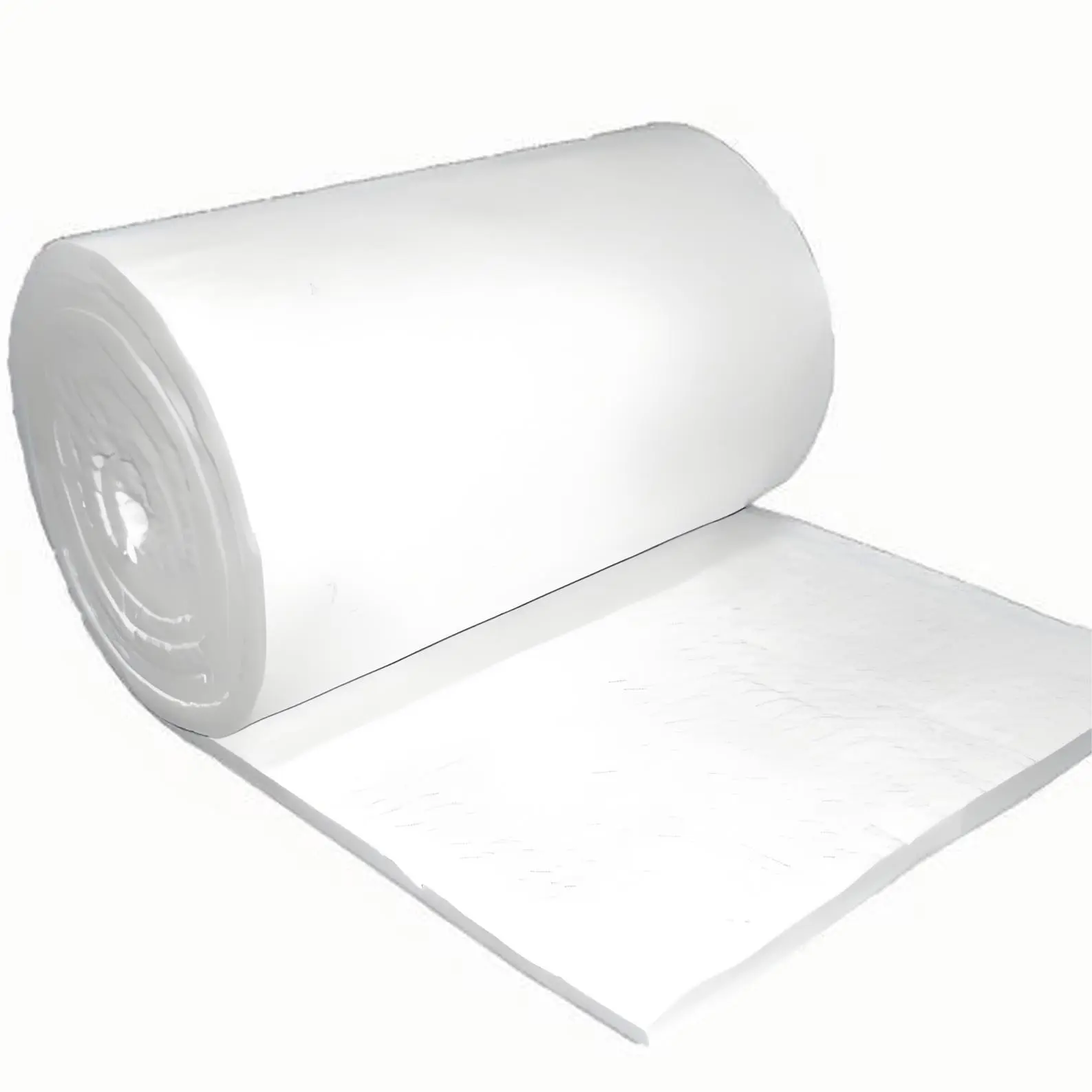
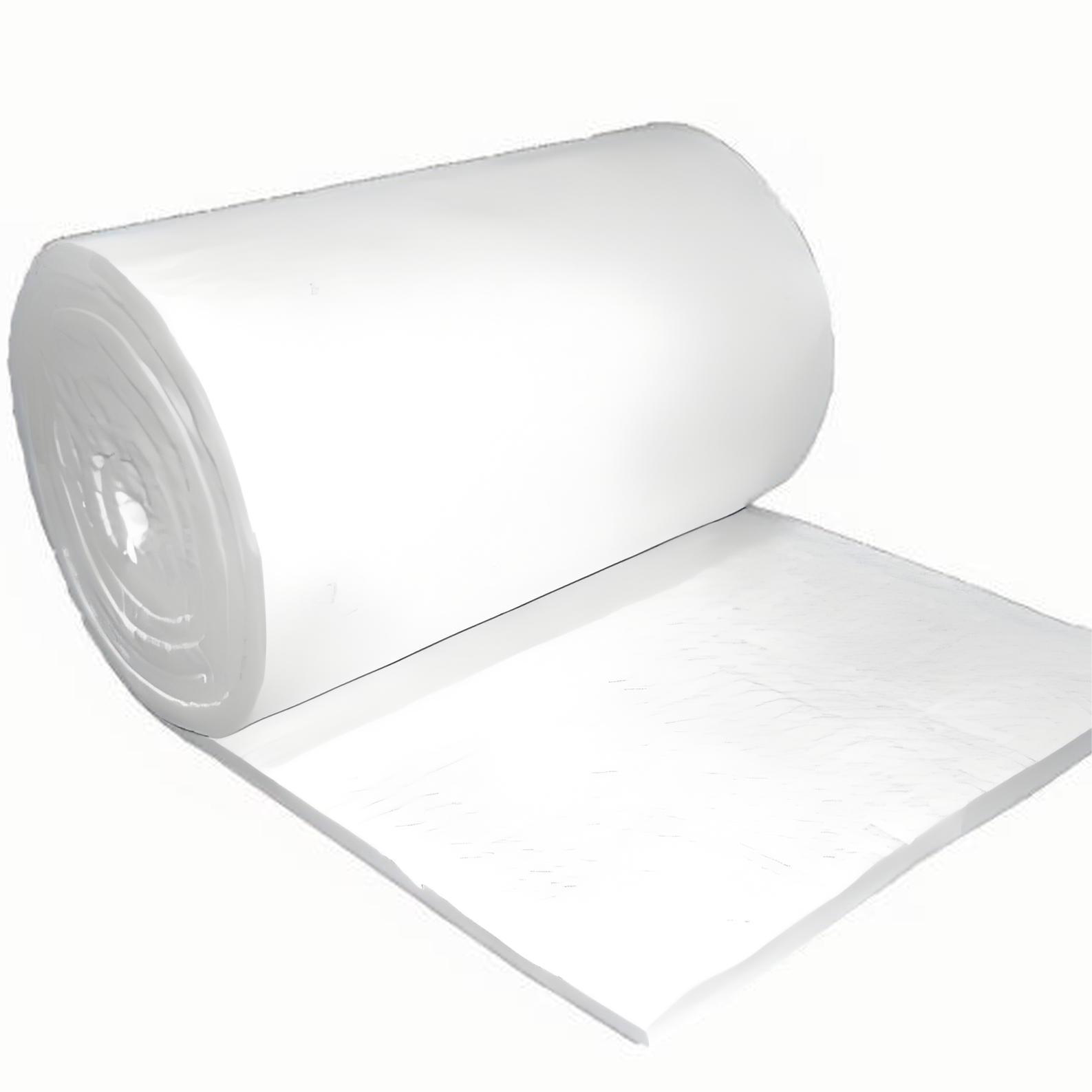
In the realm of high-temperature industrial kilns, energy consumption has always been a pressing concern. Many industrial operators are constantly troubled by the high energy costs of their kilns. The key to solving this problem lies in effectively controlling the thermal conductivity of the insulation materials used. RongSheng's high-temperature ceramic fiber blankets offer a remarkable solution with their optimized thermal conductivity technology.
Let's start with the material composition. RongSheng's ceramic fiber blankets are composed of high-aluminum oxides and silica soil. This unique combination provides a solid foundation for low thermal conductivity. The density of these blankets is precisely controlled at 128kg/m³. This density is not randomly chosen but is the result of extensive research and testing to achieve the best balance between insulation performance and material cost.
Another significant feature is the aluminum foil back-coating process. This process further enhances the insulation performance of the blankets. Thanks to these advanced technologies, RongSheng's ceramic fiber blankets can achieve an incredibly low thermal conductivity of only 0.16 W/m·K at 800°C. To put this into perspective, it's like wearing a high - performance thermal underwear in the cold winter, effectively preventing heat from escaping.
The thickness of the ceramic fiber blankets also plays a crucial role in their insulation performance. RongSheng offers blankets in different thicknesses ranging from 10 to 50mm. Each thickness has its own unique heat transfer characteristics. For example, in the ceramic industry, thinner blankets (around 10 - 20mm) may be sufficient for some low - temperature processes, while in the metallurgical and glass industries, where higher temperatures are involved, thicker blankets (30 - 50mm) are often required.
Let's take a look at some real - world examples. In a ceramic factory, by replacing the old insulation materials with RongSheng's ceramic fiber blankets, the energy consumption of the kiln was reduced by 20%. In a metallurgical plant, the use of these blankets led to a 15% reduction in energy costs. These figures clearly demonstrate the energy - saving potential of RongSheng's products.
The thermal conductivity optimization of RongSheng's ceramic fiber blankets is not just about the material and density. The structure design also contributes significantly. The internal structure of the blankets is carefully engineered to minimize heat transfer paths. This, combined with the surface treatment (aluminum foil back - coating), creates a multi - layer insulation system that effectively blocks heat flow.
When it comes to installation, RongSheng provides valuable optimization experience. Proper installation can further enhance the insulation performance of the blankets. For example, ensuring a tight fit between the blankets and the kiln wall can prevent heat leakage. Different installation methods may be required for different thicknesses and application scenarios.
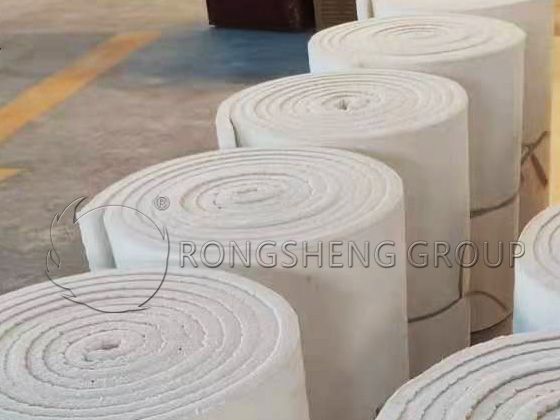
For engineers and procurement decision - makers, choosing the right insulation material is crucial for cost - reduction and efficiency improvement. RongSheng's products are ISO - certified, which means they meet international quality standards. Their long - term stability also gives users peace of mind. Whether you are in the ceramic, metallurgical, or glass industry, RongSheng can provide customized solutions based on your specific needs.
In conclusion, RongSheng's high - temperature ceramic fiber blankets offer a comprehensive solution to the problem of high energy consumption in industrial kilns. By controlling the thermal conductivity through advanced material composition, density control, and surface treatment, these blankets can help industrial operators save energy, reduce costs, and improve overall efficiency.
If you are looking for a reliable high - temperature insulation material for your industrial kiln, don't miss out on RongSheng's ceramic fiber blankets. Click here to learn more about how our products can help you achieve energy - saving and cost - reduction goals.
 323
|
323
|
 ceramic fiber blanket thermal conductivity high-temperature insulation materials zirconia ceramic fiber blankets refractory material performance testing industrial furnace energy saving
121
|
zirconia ceramic fiber blanket heat treatment process optimization high-temperature insulation material flexible ceramic fiber blanket thermal stability improvement
178
|
high temperature furnace insulation materials ceramic fiber blanket performance insulation material selection for industrial furnaces energy-saving refractory materials ceramic fiber blanket temperature limit
475
|
Internationally certified fireproof board High - temperature industrial fireproof materials Calcium silicate fireproof board Insulation performance fireproof board Customized fireproof board solutions
335
|
ceramic fiber short cut cotton industrial furnace insulation high temperature refractory material energy efficient refractory products B2B product page optimization
ceramic fiber blanket thermal conductivity high-temperature insulation materials zirconia ceramic fiber blankets refractory material performance testing industrial furnace energy saving
121
|
zirconia ceramic fiber blanket heat treatment process optimization high-temperature insulation material flexible ceramic fiber blanket thermal stability improvement
178
|
high temperature furnace insulation materials ceramic fiber blanket performance insulation material selection for industrial furnaces energy-saving refractory materials ceramic fiber blanket temperature limit
475
|
Internationally certified fireproof board High - temperature industrial fireproof materials Calcium silicate fireproof board Insulation performance fireproof board Customized fireproof board solutions
335
|
ceramic fiber short cut cotton industrial furnace insulation high temperature refractory material energy efficient refractory products B2B product page optimization







.png?x-oss-process=image/resize,h_100,m_lfit/format,webp)
.png?x-oss-process=image/resize,h_100,m_lfit/format,webp)
.png?x-oss-process=image/resize,h_100,m_lfit/format,webp)


