

In the context of the global push for industrial energy conservation policies, high-temperature insulation materials are undergoing a significant transformation from simple thermal insulation to high-efficiency energy saving. According to a report from the International Energy Agency (IEA), the energy efficiency requirements of industrial high-temperature equipment have been continuously increasing, driving the development of advanced insulation technologies. This shift is crucial for industries such as foundries and metallurgy, where high energy consumption and safety risks are major concerns.
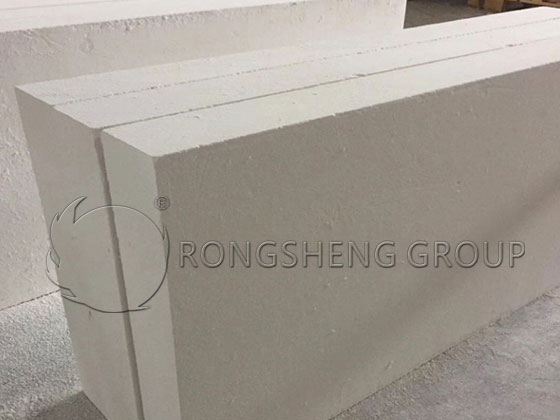
Recent advancements in material science have led to the development of polycrystalline mullite fiber boards. These boards are composed of a composite system of high-purity Al₂O₃ and SiO₂, which significantly enhances their thermal shock resistance and long-term stability. Compared to traditional materials, the unique structure of polycrystalline mullite fiber boards allows them to maintain excellent performance even under extreme high temperature conditions. A study by a leading industry research institute shows that the composite structure can improve the fiber board's resistance to thermal stress, reducing the risk of cracking and failure.
One of the most significant advantages of polycrystalline mullite fiber boards is their low thermal conductivity. The thermal conductivity of these boards can reach as low as 0.085 W/m·K, which is much lower than that of traditional refractory bricks and aluminosilicate fiber felts. A data chart (shown below) clearly illustrates the difference in thermal conductivity between polycrystalline mullite fiber boards and traditional materials under different temperature ranges. This low thermal conductivity means that less heat is transferred through the insulation material, resulting in significant energy savings.

In real-world applications, polycrystalline mullite fiber boards have demonstrated outstanding energy-saving effects and operational cost optimization. For example, in a large-scale foundry, the use of polycrystalline mullite fiber boards in the melting furnace reduced energy consumption by 20% compared to using traditional refractory materials. Moreover, the improved insulation performance also enhanced the safety of the equipment by reducing the surface temperature. Additionally, the longer service life of the fiber boards reduced maintenance and replacement costs, providing a more cost-effective solution for industrial users.
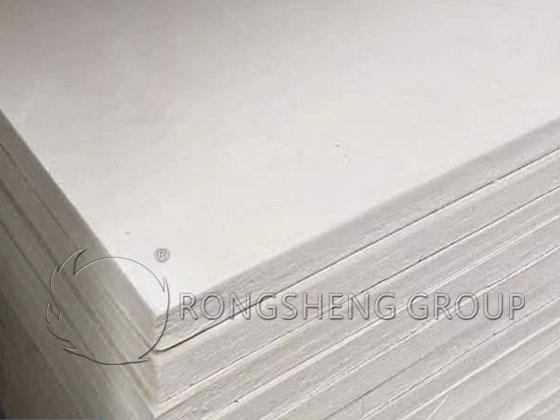
Products like polycrystalline mullite fiber boards need to meet international standards to gain trust in the global market. ISO 9001 certification ensures that the manufacturing process of the product is standardized and quality-controlled, while CE certification indicates that the product complies with the relevant health, safety, and environmental protection regulations in the European market. These certifications not only enhance the credibility of the product but also provide strong support for its export to overseas markets.
Discover how Rongsheng's polycrystalline mullite fiber boards can help your high-temperature equipment save energy and reduce consumption - Visit the official website now to get the complete technical white paper and customized solution support.
 305
|
305
|
 High - temperature kiln insulation materials Low thermal conductivity ceramic fiber blanket Industrial kiln energy conservation Ceramic fiber insulation blanket application Thermal conductivity optimization technology
413
|
high temperature furnace insulation material flexible ceramic fiber blanket ceramic fiber blanket application case industrial furnace energy saving retrofit zirconia ceramic fiber blanket
457
|
zirconia ceramic fiber blanket ceramic fiber production process high-temperature insulation materials nanotechnology modification thermal performance enhancement
367
|
Ceramic fiber chopped cotton Product certification Cross - border e - commerce B2B foreign trade Refractory material certification
475
|
Internationally certified fireproof board High - temperature industrial fireproof materials Calcium silicate fireproof board Insulation performance fireproof board Customized fireproof board solutions
High - temperature kiln insulation materials Low thermal conductivity ceramic fiber blanket Industrial kiln energy conservation Ceramic fiber insulation blanket application Thermal conductivity optimization technology
413
|
high temperature furnace insulation material flexible ceramic fiber blanket ceramic fiber blanket application case industrial furnace energy saving retrofit zirconia ceramic fiber blanket
457
|
zirconia ceramic fiber blanket ceramic fiber production process high-temperature insulation materials nanotechnology modification thermal performance enhancement
367
|
Ceramic fiber chopped cotton Product certification Cross - border e - commerce B2B foreign trade Refractory material certification
475
|
Internationally certified fireproof board High - temperature industrial fireproof materials Calcium silicate fireproof board Insulation performance fireproof board Customized fireproof board solutions





.png?x-oss-process=image/resize,h_100,m_lfit/format,webp)
.png?x-oss-process=image/resize,h_100,m_lfit/format,webp)
.png?x-oss-process=image/resize,h_100,m_lfit/format,webp)


