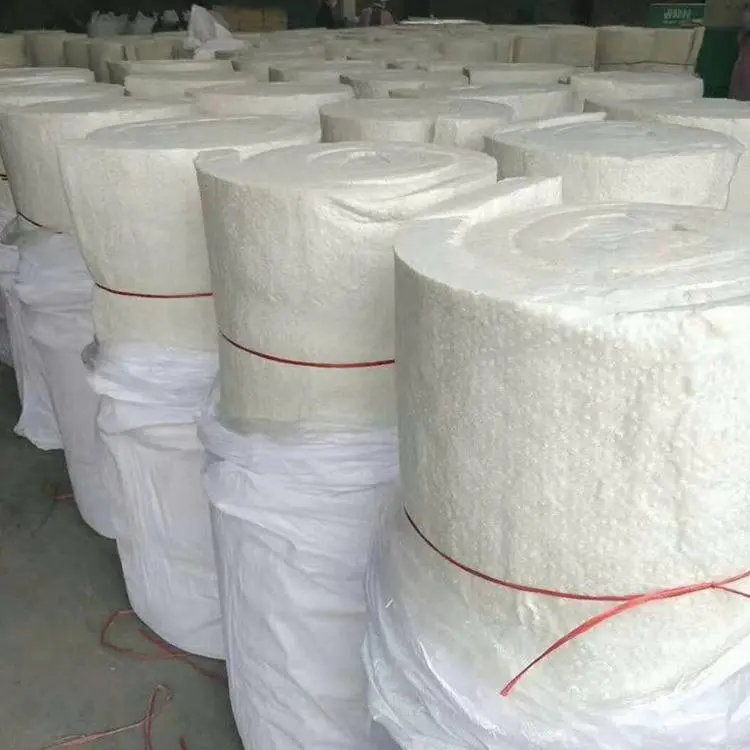
As an engineer or maintenance personnel, you may often face the problem of high energy consumption in industrial kilns. Did you know that the thermal conductivity of the insulation material plays a crucial role in energy consumption? A high thermal conductivity means more heat loss, which directly leads to increased energy consumption. For example, in some traditional kilns, inefficient insulation materials can cause a large amount of heat to escape, resulting in energy waste and higher operating costs.
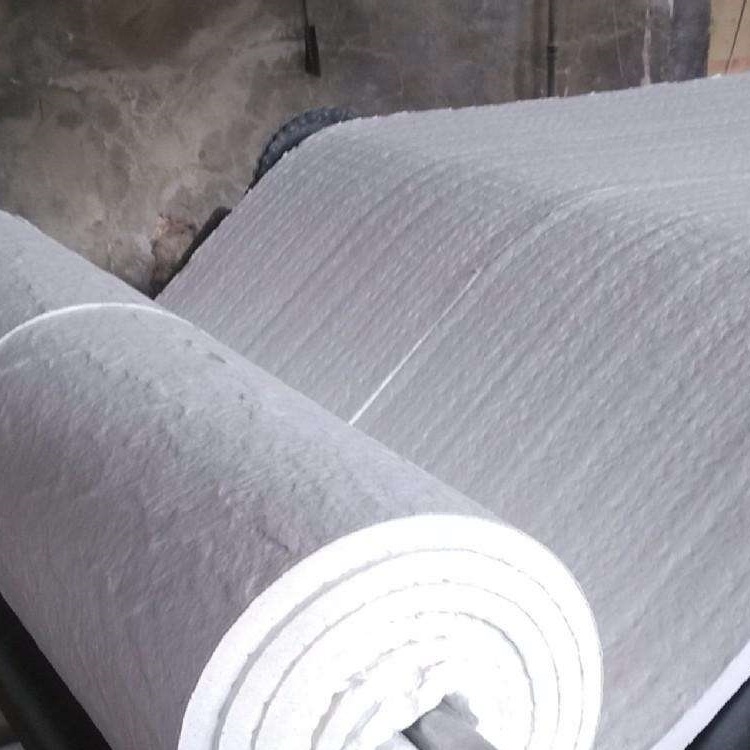
Our RongSheng high - temperature ceramic fiber blankets are composed of high - alumina oxides and silica. This unique material composition, combined with a well - designed structure, effectively reduces heat conduction. The high - alumina oxides have excellent heat - resistant properties, while the silica helps to form a stable structure that can block the transfer of heat. Think of it like a high - quality thermal underwear. Just as thermal underwear can keep your body warm by reducing heat loss, our ceramic fiber blankets can keep the kiln heat inside, preventing it from escaping.
The advanced design of our blankets ensures that the heat transfer path is disrupted, resulting in a thermal conductivity as low as 0.16 W/m·K. This is a significant improvement compared to many other insulation materials on the market. With such a low thermal conductivity, you can expect a substantial reduction in energy consumption.
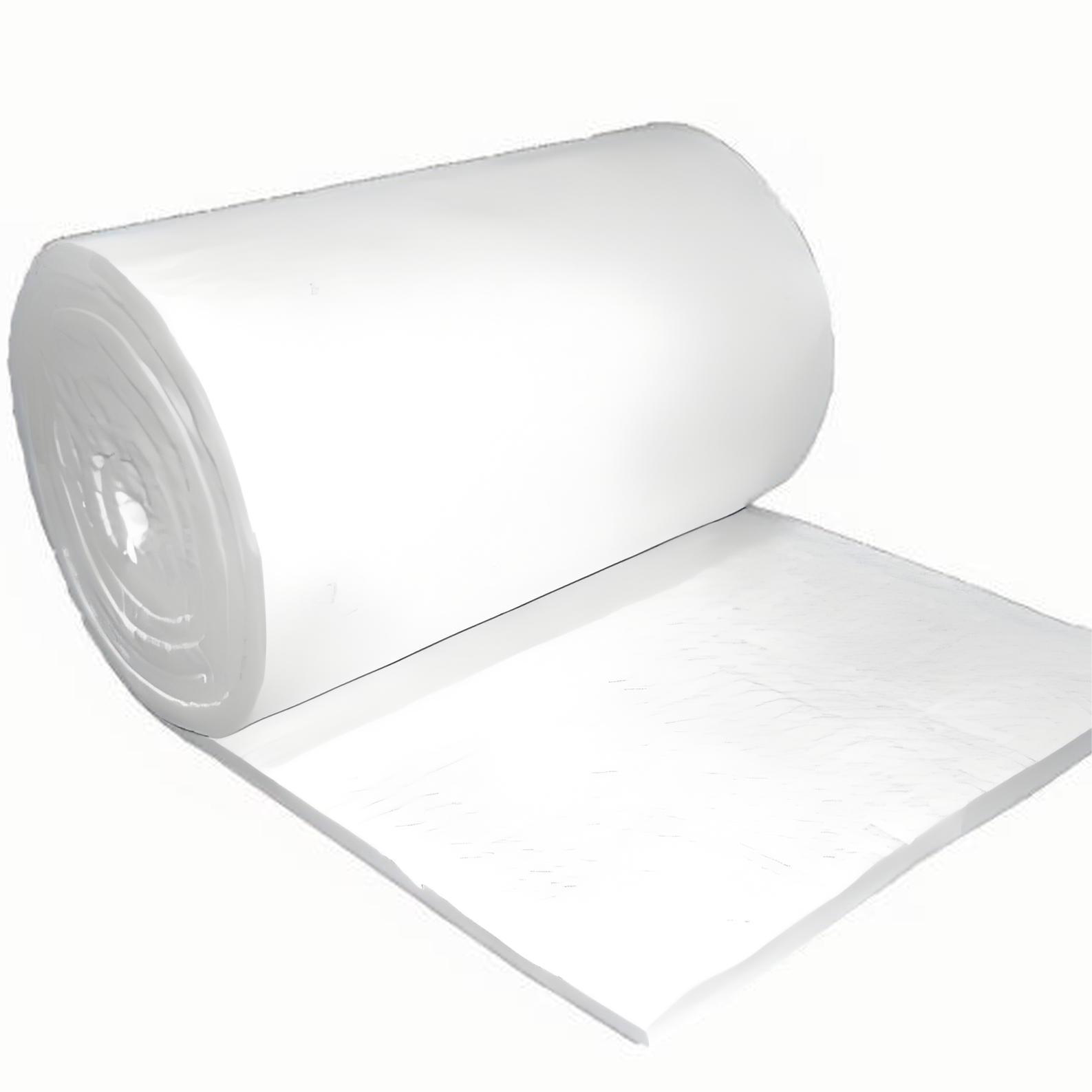
The density and thickness of the ceramic fiber blanket are two important factors that affect its performance. Our blankets have a density of 128 kg/m³, which is a carefully selected value to achieve the best balance between insulation performance and cost. In different industrial scenarios, such as the ceramic and metallurgy industries, the required thickness of the insulation layer varies.
For example, in a ceramic kiln with relatively low - temperature requirements, a thinner blanket in the range of 10 - 20mm may be sufficient. However, in a high - temperature metallurgical kiln, a thicker blanket of 30 - 50mm may be needed. We recommend creating a thickness vs. energy - saving effect trend chart to visually understand how different thicknesses affect energy savings. This will help you make a more informed decision based on your specific working conditions.
Our ceramic fiber blankets are equipped with an aluminum foil back - coating process. This process not only enhances the durability of the blanket but also makes installation more convenient. The aluminum foil acts as an additional barrier against heat radiation, further reducing heat loss. Moreover, it protects the blanket from external factors such as moisture and mechanical damage, extending its service life.
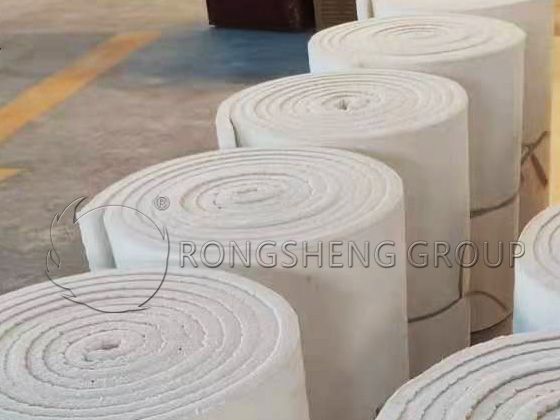
To help you quickly determine the most suitable insulation solution for your kiln, we have developed a practical selection methodology. First, assess the operating temperature and working environment of your kiln. Then, refer to the thickness recommendations based on typical industrial applications. Finally, consider the cost - effectiveness and long - term benefits of different thickness options.
Remember, customized thickness means precise energy savings. By choosing the right thickness of our ceramic fiber blankets, you can effectively reduce energy consumption and control costs. Every kilowatt - hour of electricity saved is a real return on investment.
 72
|
72
|
 zirconia ceramic fiber blanket high temperature industrial furnace installation guide maintenance strategy power industry application
433
|
ceramic fiber modules internationally certified ceramic fiber insulation industrial furnace insulation materials high-temperature refractory modules energy-saving refractory solutions
178
|
high temperature furnace insulation materials ceramic fiber blanket performance insulation material selection for industrial furnaces energy-saving refractory materials ceramic fiber blanket temperature limit
475
|
Internationally certified fireproof board High - temperature industrial fireproof materials Calcium silicate fireproof board Insulation performance fireproof board Customized fireproof board solutions
460
|
calcium silicate fireproof board high temperature fire resistant material refractory insulation board industrial fireproofing solution thermal insulation panel
zirconia ceramic fiber blanket high temperature industrial furnace installation guide maintenance strategy power industry application
433
|
ceramic fiber modules internationally certified ceramic fiber insulation industrial furnace insulation materials high-temperature refractory modules energy-saving refractory solutions
178
|
high temperature furnace insulation materials ceramic fiber blanket performance insulation material selection for industrial furnaces energy-saving refractory materials ceramic fiber blanket temperature limit
475
|
Internationally certified fireproof board High - temperature industrial fireproof materials Calcium silicate fireproof board Insulation performance fireproof board Customized fireproof board solutions
460
|
calcium silicate fireproof board high temperature fire resistant material refractory insulation board industrial fireproofing solution thermal insulation panel




.png?x-oss-process=image/resize,h_100,m_lfit/format,webp)
.png?x-oss-process=image/resize,h_100,m_lfit/format,webp)
.png?x-oss-process=image/resize,h_100,m_lfit/format,webp)