

In high-temperature industrial processes—such as steelmaking, ceramic firing, and glass production—the performance of furnace linings directly impacts energy efficiency, operational safety, and equipment lifespan. Traditional refractory bricks often fail under extreme conditions, leading to increased heat loss, frequent maintenance, and unplanned downtime. That’s where advanced materials like nitride-bonded silicon carbide bricks come in.
These bricks are engineered for environments exceeding 1770°C (3218°F), with some formulations tested up to 2000°C (3632°F). Their unique microstructure delivers:
Unlike standard fireclay or magnesia-carbon bricks, nitride-bonded silicon carbide reduces energy consumption by up to 15% per year in continuous operations—a measurable ROI within 12–18 months.
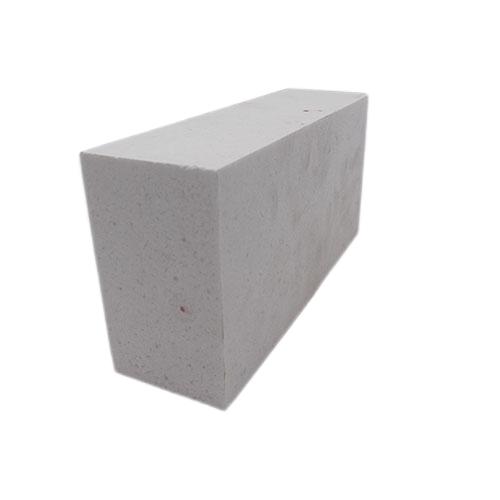
Steel mills report extended lining life from 18 to 36 months when switching to custom nitride-bonded bricks. In ceramics manufacturing, kilns using these bricks achieve consistent firing profiles, reducing reject rates by up to 12%. One German tile producer noted a 10% drop in fuel usage after retrofitting their tunnel kiln with precision-cut silicon carbide segments.
“We used to replace our furnace lining every 12 months,” says a plant manager at an Indian steel facility. “Now we go 24+ months without major repairs—and the heat retention is noticeably better.”
Pro Tip: Always verify CE and ISO certifications before procurement. Our products comply with EN 1896 and ISO 1893 standards, ensuring quality consistency across global supply chains.
Whether you're upgrading an existing system or designing a new furnace, choosing the right refractory isn't just about temperature—it's about long-term value. These bricks don’t just survive the heat—they optimize it.
 72
|
72
|
 zirconia ceramic fiber blanket high temperature industrial furnace installation guide maintenance strategy power industry application
323
|
ceramic fiber blanket thermal conductivity high-temperature insulation materials zirconia ceramic fiber blankets refractory material performance testing industrial furnace energy saving
335
|
ceramic fiber short cut cotton industrial furnace insulation high temperature refractory material energy efficient refractory products B2B product page optimization
275
|
flexible ceramic fiber blanket zirconia ceramic fiber blanket high-temperature insulation materials production process optimization thermal performance enhancement
358
|
high-density calcium silicate insulation board customized high-temperature insulation Rongsheng refractory materials thermal insulation solutions energy-efficient insulation boards
zirconia ceramic fiber blanket high temperature industrial furnace installation guide maintenance strategy power industry application
323
|
ceramic fiber blanket thermal conductivity high-temperature insulation materials zirconia ceramic fiber blankets refractory material performance testing industrial furnace energy saving
335
|
ceramic fiber short cut cotton industrial furnace insulation high temperature refractory material energy efficient refractory products B2B product page optimization
275
|
flexible ceramic fiber blanket zirconia ceramic fiber blanket high-temperature insulation materials production process optimization thermal performance enhancement
358
|
high-density calcium silicate insulation board customized high-temperature insulation Rongsheng refractory materials thermal insulation solutions energy-efficient insulation boards


.png?x-oss-process=image/resize,h_100,m_lfit/format,webp)
.png?x-oss-process=image/resize,h_100,m_lfit/format,webp)
.png?x-oss-process=image/resize,h_100,m_lfit/format,webp)


