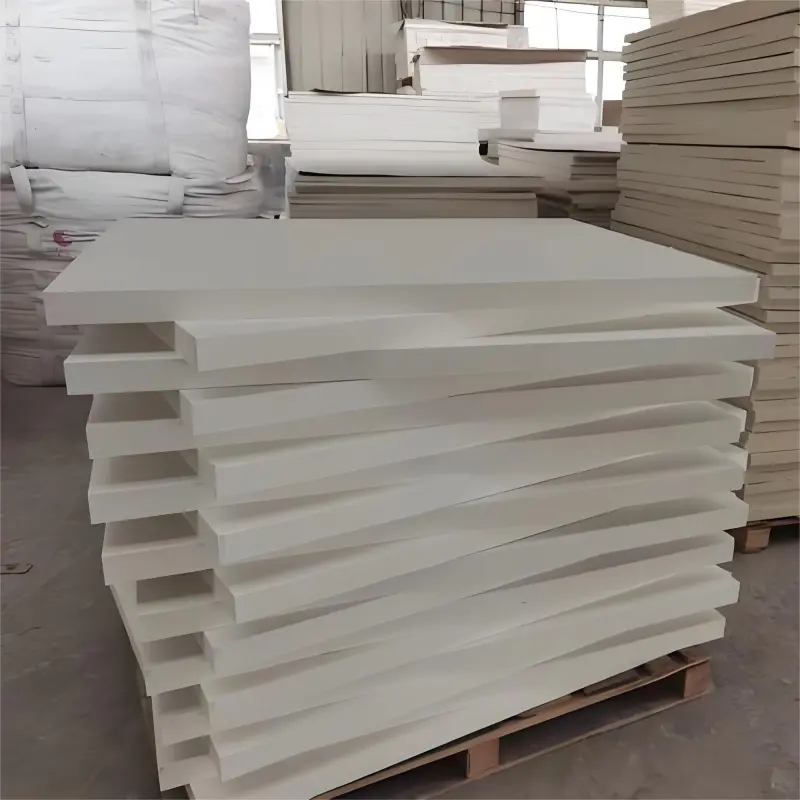
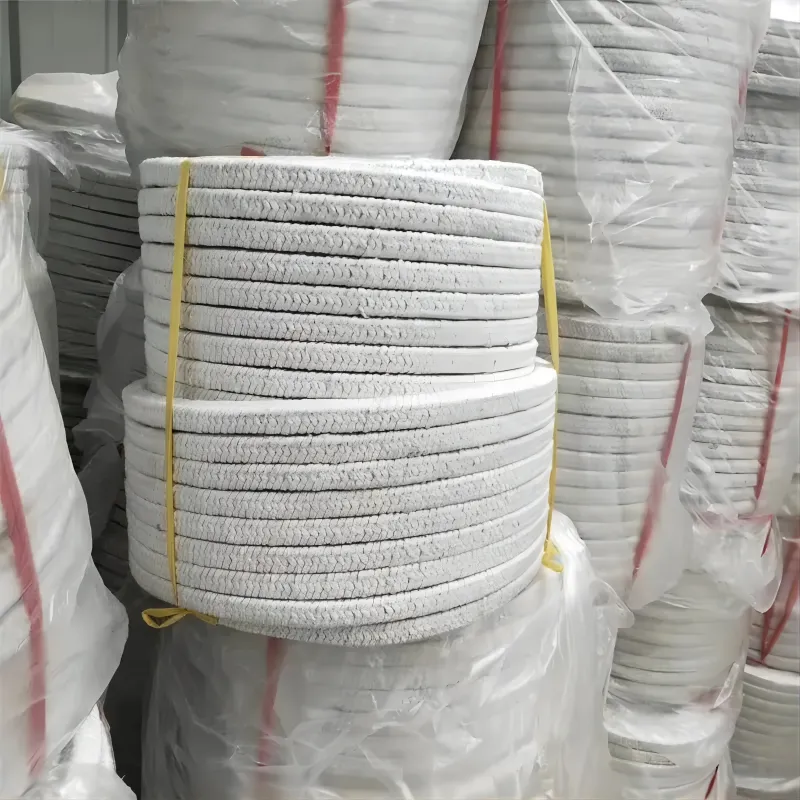
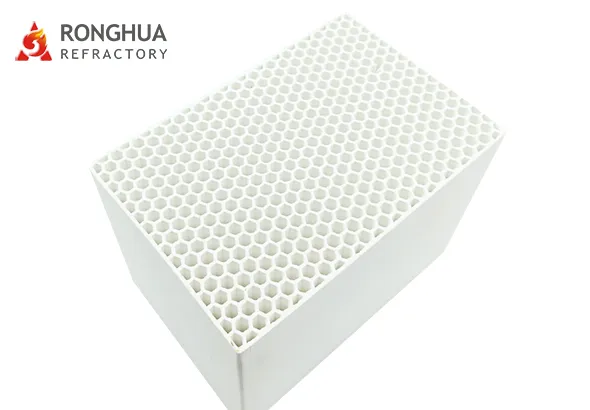
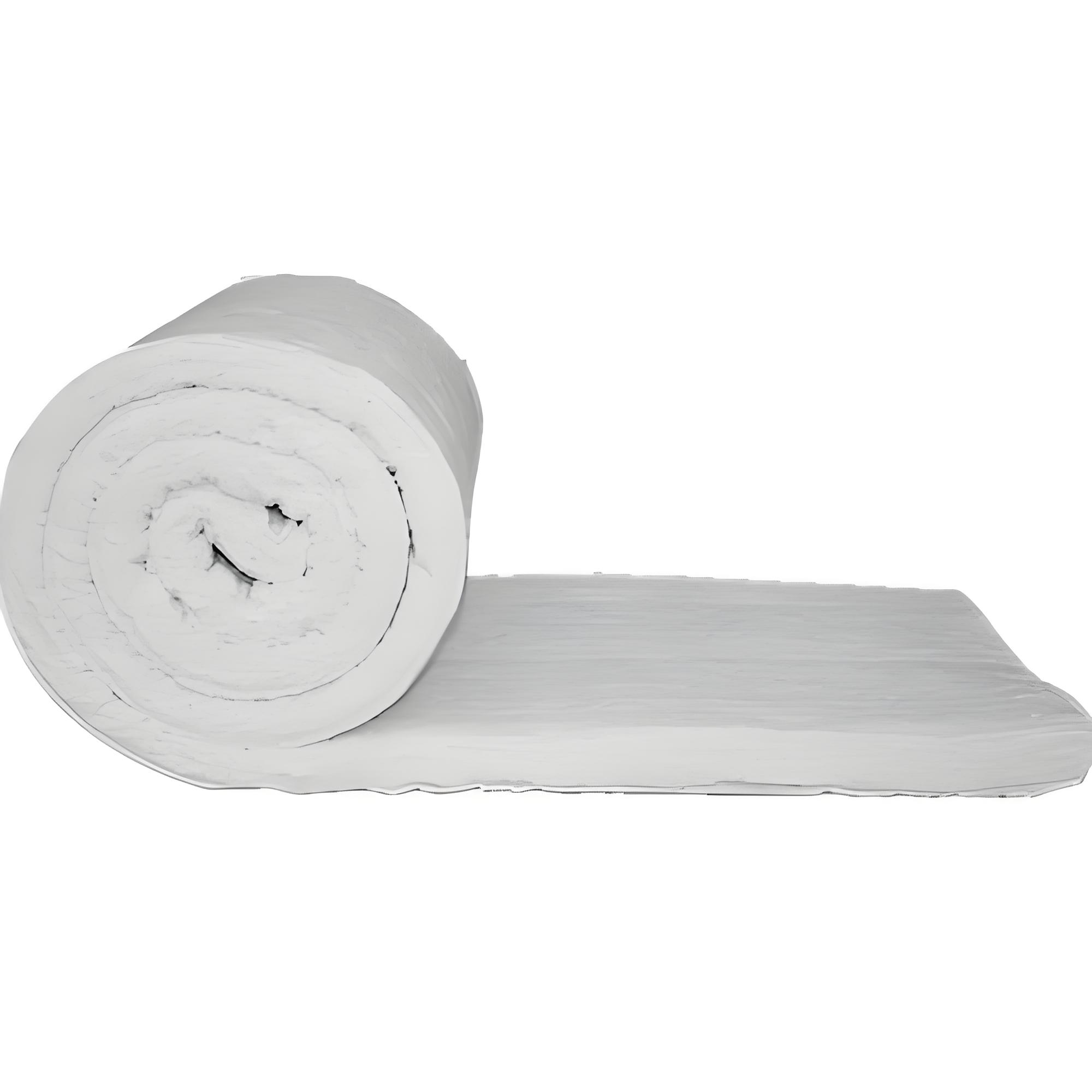
Zirconia ceramic fiber blankets are widely used as high - temperature insulation materials in industrial furnaces. Achieving stable performance at 1800°C is a significant challenge. This article comprehensively analyzes the entire production process of zirconia ceramic fiber blankets, aiming to provide practical guidance for R & D and production personnel.
The selection of raw materials is the first step in the production of zirconia ceramic fiber blankets. Bauxite and silica are the main raw materials, and their ratio significantly affects the performance of the final product. Experiments show that when the mass ratio of bauxite to silica is 3:2, the thermal conductivity of the zirconia ceramic fiber blanket can reach about 0.12 W/(m·K) at 1000°C, which provides excellent thermal insulation performance.
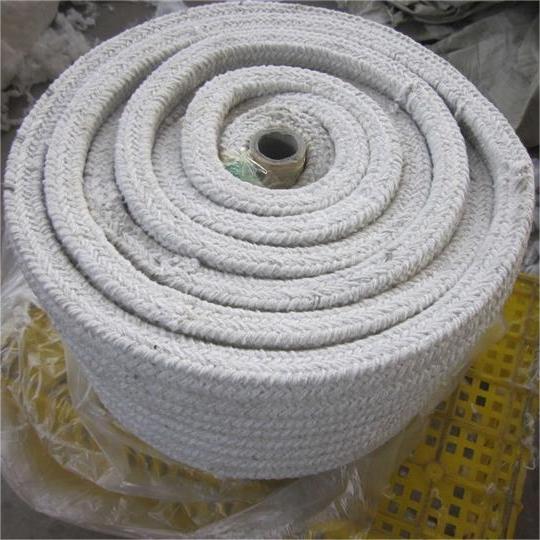
There are several methods for fiber preparation, such as the melt - blowing method and the centrifugal spinning method. The melt - blowing method can produce fibers with a smaller diameter, which is beneficial to improving the thermal resistance of the fiber blanket. Through experiments, it is found that fibers prepared by the melt - blowing method have an average diameter of about 2 - 5 μm, and the fiber blanket made of such fibers has better flexibility and thermal insulation performance.
The forming of the blanket body determines the mechanical strength and uniformity of the product. Vacuum forming and needle - punching are two common methods. The needle - punching method can effectively improve the tensile strength of the fiber blanket. Under the needle - punching density of 100 - 200 times/cm², the tensile strength of the blanket can reach 0.1 - 0.3 MPa, which can meet the requirements of most industrial applications.
Heat treatment is a crucial step to improve the thermal stability and mechanical strength of zirconia ceramic fiber blankets. Proper heat treatment can change the crystal structure of the fibers and reduce the linear expansion coefficient. Experiments show that after heat treatment at 1600°C, the linear expansion coefficient of the fiber blanket can be reduced from 5×10⁻⁶/°C to 3×10⁻⁶/°C, which greatly improves the stability of the product at high temperatures.
Nano - modification and composite reinforcement technology can further enhance the thermal resistance and tensile strength of the product. The addition of nano - zirconia particles can refine the crystal structure of the fibers and improve the thermal insulation performance. When the addition amount of nano - zirconia is 5%, the thermal conductivity at 1200°C can be reduced to about 0.1 W/(m·K). Composite reinforcement with other high - performance fibers can also significantly improve the tensile strength of the fiber blanket.
Key Technology Point: Optimization of raw material ratio, fiber preparation, blanket forming, and heat treatment is the key to improving the performance of zirconia ceramic fiber blankets. Nano - modification and composite reinforcement technology can further enhance product performance.
Based on the above analysis, some operable process optimization suggestions are put forward. For example, during the raw material mixing process, strict control of the particle size and moisture content can improve the uniformity of the raw materials. In the heat treatment process, accurate control of temperature and holding time can ensure the stability of product performance. These suggestions can help technical personnel solve on - site application problems.
We encourage readers to participate in the discussion. Here are some open - ended technical questions: How to further reduce the production cost of zirconia ceramic fiber blankets while maintaining high performance? What are the potential applications of zirconia ceramic fiber blankets in new energy fields?
Our company's zirconia ceramic fiber blankets have passed CE/ISO certification and can work continuously at 1800°C. We also provide a perfect after - sales service. If you are interested in our high - performance zirconia ceramic fiber blankets, click here to learn more.
 119
|
119
|
 B2B export marketing brand culture perception ceramic fiber staple wool high-temperature materials international market strategy
313
|
B2B digital marketing customer perception experience ceramic fiber chopped cotton refractory material export website content optimization
60
|
ceramic fiber insulation blanket high-temperature industrial insulation refractory insulation materials CE certified insulation blanket energy-efficient thermal insulation
175
|
high temperature furnace insulation materials ceramic fiber blanket performance insulation material selection for industrial furnaces energy-saving refractory materials ceramic fiber blanket temperature limit
316
|
flexible ceramic fiber blanket performance high temperature furnace insulation thermal conductivity comparison temperature resistance limit mechanical strength testing
B2B export marketing brand culture perception ceramic fiber staple wool high-temperature materials international market strategy
313
|
B2B digital marketing customer perception experience ceramic fiber chopped cotton refractory material export website content optimization
60
|
ceramic fiber insulation blanket high-temperature industrial insulation refractory insulation materials CE certified insulation blanket energy-efficient thermal insulation
175
|
high temperature furnace insulation materials ceramic fiber blanket performance insulation material selection for industrial furnaces energy-saving refractory materials ceramic fiber blanket temperature limit
316
|
flexible ceramic fiber blanket performance high temperature furnace insulation thermal conductivity comparison temperature resistance limit mechanical strength testing


.png?x-oss-process=image/resize,h_100,m_lfit/format,webp)
.png?x-oss-process=image/resize,h_100,m_lfit/format,webp)
.png?x-oss-process=image/resize,h_100,m_lfit/format,webp)