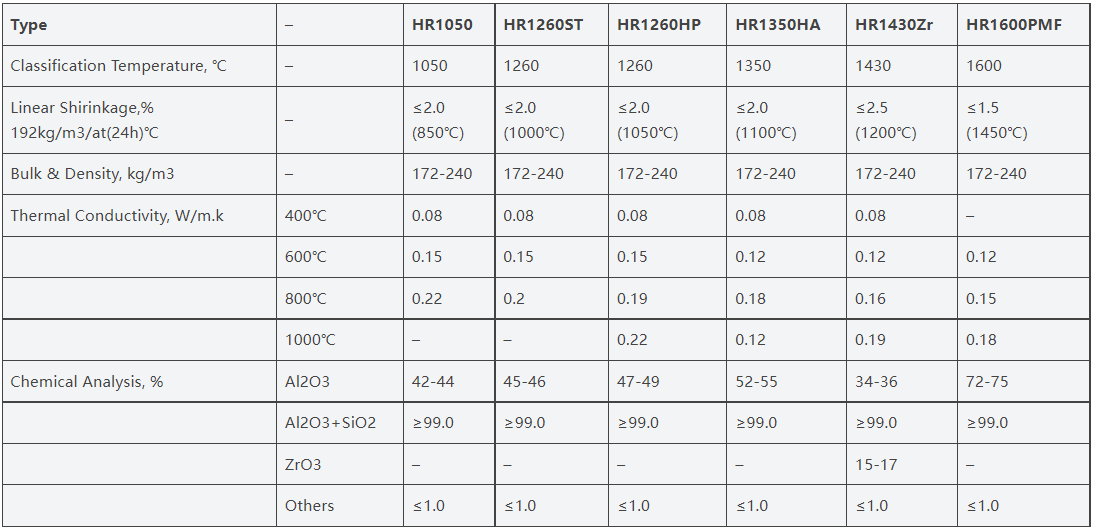
For engineers and maintenance teams working in steelmaking, power generation, or petrochemical industries, proper installation and ongoing care of zirconia ceramic fiber blankets are critical to ensuring furnace efficiency, safety, and longevity. These high-performance insulation materials—known for their low thermal conductivity (typically 0.03–0.05 W/m·K at 1000°C) and ability to withstand temperatures up to 1650°C—must be handled with precision to avoid premature failure.
Begin by cleaning the furnace surface thoroughly—remove dust, oil, and loose scale using compressed air or a soft brush. A contaminated surface can reduce adhesion and cause delamination under thermal cycling. Next, use a sharp utility knife or die-cutting tool to cut the blanket to size. For complex shapes, consider pre-fabricated modules to minimize on-site cutting time and waste.
When layering, always stagger joints like brickwork to prevent heat bridging—a common cause of localized overheating. Fix each layer with high-temperature ceramic pins (e.g., 304 stainless steel) spaced every 15–20 cm. Avoid over-tightening; excessive pressure can compress the blanket and degrade its insulating performance. The flexibility of these blankets makes them ideal for irregular surfaces, but proper tension control is essential.
Establish a quarterly inspection schedule. Look for signs of shrinkage (>5% thickness loss), cracking from thermal shock, or mechanical wear near doors or moving parts. According to industry data, 70% of furnace downtime incidents related to insulation originate from undetected heat damage. Use infrared thermography to detect hot spots early—especially around seams and anchor points.
One real-world case involved a steel mill where repeated thermal cycling caused micro-cracks in a single-layer blanket. Within six months, the crack propagated into a full breach, leading to energy loss and increased emissions. The fix? Switch to a two-layer system with a buffer gap filled with low-density fiber, reducing stress concentration.
Replace blankets when they show visible deformation, exceed 5% thickness reduction, or fail a pull-test (minimum 5 kg/cm² tensile strength). Don’t wait until catastrophic failure—proactive replacement saves costs in the long run.
Correctly installed and maintained zirconia fiber blankets don’t just improve energy efficiency—they extend furnace life, reduce emissions, and enhance workplace safety. In one study, optimized insulation reduced fuel consumption by an average of 8–12% across 15 industrial sites.
If you're managing high-temperature systems in heavy industry, mastering this process isn't optional—it's strategic. Whether you're installing new equipment or upgrading existing ones, getting it right from day one pays dividends.
Get expert guidance tailored to your specific application—whether it's steel refining, boiler systems, or catalytic reformers.
Download Our Free Installation Checklist & Technical Guide 84
|
84
|
 Calcium silicate fireproof board High-temperature fireproof material Energy saving Industrial insulation board Customized fireproof solution
235
|
high temperature fireproof panels calcium silicate fireboard industrial refractory materials fireproof panel certification thermal insulation performance
475
|
Internationally certified fireproof board High - temperature industrial fireproof materials Calcium silicate fireproof board Insulation performance fireproof board Customized fireproof board solutions
365
|
Ceramic fiber chopped cotton Product certification Cross - border e - commerce B2B foreign trade Refractory material certification
316
|
flexible ceramic fiber blanket performance high temperature furnace insulation thermal conductivity comparison temperature resistance limit mechanical strength testing
Calcium silicate fireproof board High-temperature fireproof material Energy saving Industrial insulation board Customized fireproof solution
235
|
high temperature fireproof panels calcium silicate fireboard industrial refractory materials fireproof panel certification thermal insulation performance
475
|
Internationally certified fireproof board High - temperature industrial fireproof materials Calcium silicate fireproof board Insulation performance fireproof board Customized fireproof board solutions
365
|
Ceramic fiber chopped cotton Product certification Cross - border e - commerce B2B foreign trade Refractory material certification
316
|
flexible ceramic fiber blanket performance high temperature furnace insulation thermal conductivity comparison temperature resistance limit mechanical strength testing


.png?x-oss-process=image/resize,h_100,m_lfit/format,webp)
.png?x-oss-process=image/resize,h_100,m_lfit/format,webp)
.png?x-oss-process=image/resize,h_100,m_lfit/format,webp)