For engineers and maintenance teams working in steelmaking, power generation, or petrochemical processing, the efficient installation of zirconia ceramic fiber blankets is critical—not only for thermal performance but also for safety, compliance, and long-term operational reliability.
According to industry data from the American Society of Mechanical Engineers (ASME), improper installation accounts for up to 40% of premature insulation failure in high-temperature furnaces. A well-designed cutting pattern—based on furnace geometry and heat flow direction—can reduce labor time by 25–35%, while a layered approach improves thermal resistance and minimizes hot spots.
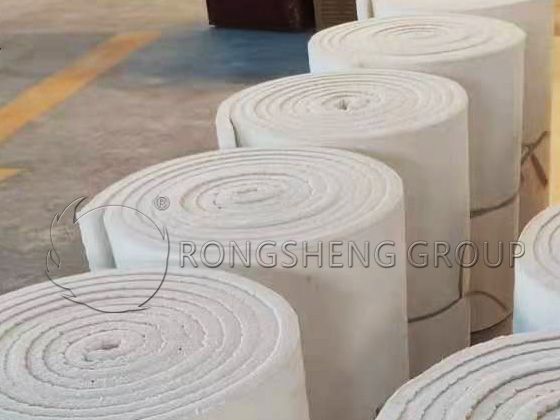
Surface Preparation: Before laying any blanket, clean the inner surface of the furnace using compressed air and a mild alkaline solution. This removes dust, oil, and oxidation that can compromise adhesion and lead to voids—known contributors to localized overheating.
Cutting Techniques: Use precision scissors or die-cutting tools for straight edges, and template-based patterns for curved sections. For example, when installing around door seals or refractory joints, a “step-lap” design reduces gaps and increases insulation continuity.
Layered Application: Stack 2–3 layers with staggered seams (like brickwork). This technique boosts effective R-value by approximately 15% compared to single-layer placement. It also distributes mechanical stress more evenly during thermal cycling.
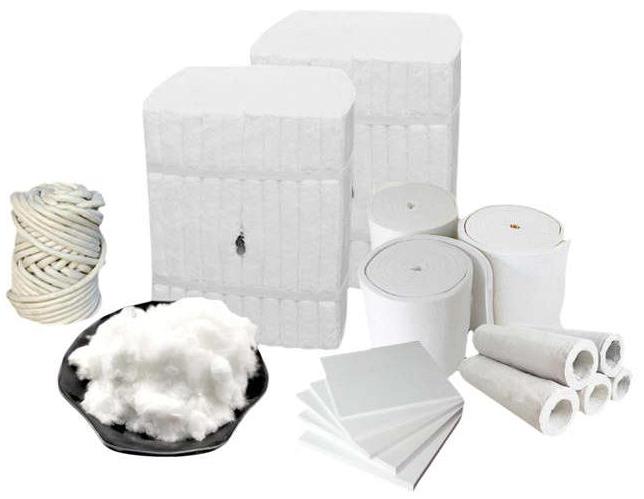
Regular inspections every 30–60 days help catch early signs of degradation such as fiber shedding, cracking, or discoloration. In one case study from a Chinese steel mill, routine checks identified micro-cracks at a temperature sensor port—allowing timely replacement before a major leak occurred.
Use infrared thermography to monitor surface temperatures. If readings exceed 50°C above ambient in non-heated zones, it signals potential insulation breakdown. Replace affected sections immediately to avoid energy loss (average savings: 8–12% in fuel consumption).
| Inspection Item | Frequency | Action Threshold |
|---|---|---|
| Fiber Integrity | Monthly | Visible shedding > 5% area |
| Thermal Uniformity | Biweekly | Hot spot > 50°C above ambient |
| Seal Condition | Weekly | Crack width > 2mm |
These practices are not just theoretical—they’re proven in real-world applications across Europe, North America, and Southeast Asia where operators report faster turnaround times, fewer shutdowns, and improved compliance with ISO 12776 standards for thermal insulation systems.
Ready to optimize your furnace insulation workflow?
Get expert guidance tailored to your facility’s needs—from custom cutting templates to on-site training and material support.
Request Free Technical Consultation 256
|
256
|
 zirconia ceramic fiber blanket installation high temperature industrial furnace insulation ceramic fiber blanket maintenance industrial furnace thermal damage monitoring zirconia fiber blanket replacement standards
69
|
zirconia ceramic fiber blanket installation high temperature industrial furnace insulation ceramic fiber blanket thermal damage monitoring refractory material lifespan extension industrial furnace energy efficiency
121
|
zirconia ceramic fiber blanket heat treatment process optimization high-temperature insulation material flexible ceramic fiber blanket thermal stability improvement
203
|
Flexible ceramic fiber blanket Nanomodification technology High - temperature insulation material Zirconia ceramic fiber blanket Thermal resistance improvement
460
|
calcium silicate fireproof board high temperature fire resistant material refractory insulation board industrial fireproofing solution thermal insulation panel
zirconia ceramic fiber blanket installation high temperature industrial furnace insulation ceramic fiber blanket maintenance industrial furnace thermal damage monitoring zirconia fiber blanket replacement standards
69
|
zirconia ceramic fiber blanket installation high temperature industrial furnace insulation ceramic fiber blanket thermal damage monitoring refractory material lifespan extension industrial furnace energy efficiency
121
|
zirconia ceramic fiber blanket heat treatment process optimization high-temperature insulation material flexible ceramic fiber blanket thermal stability improvement
203
|
Flexible ceramic fiber blanket Nanomodification technology High - temperature insulation material Zirconia ceramic fiber blanket Thermal resistance improvement
460
|
calcium silicate fireproof board high temperature fire resistant material refractory insulation board industrial fireproofing solution thermal insulation panel


.png?x-oss-process=image/resize,h_100,m_lfit/format,webp)
.png?x-oss-process=image/resize,h_100,m_lfit/format,webp)
.png?x-oss-process=image/resize,h_100,m_lfit/format,webp)