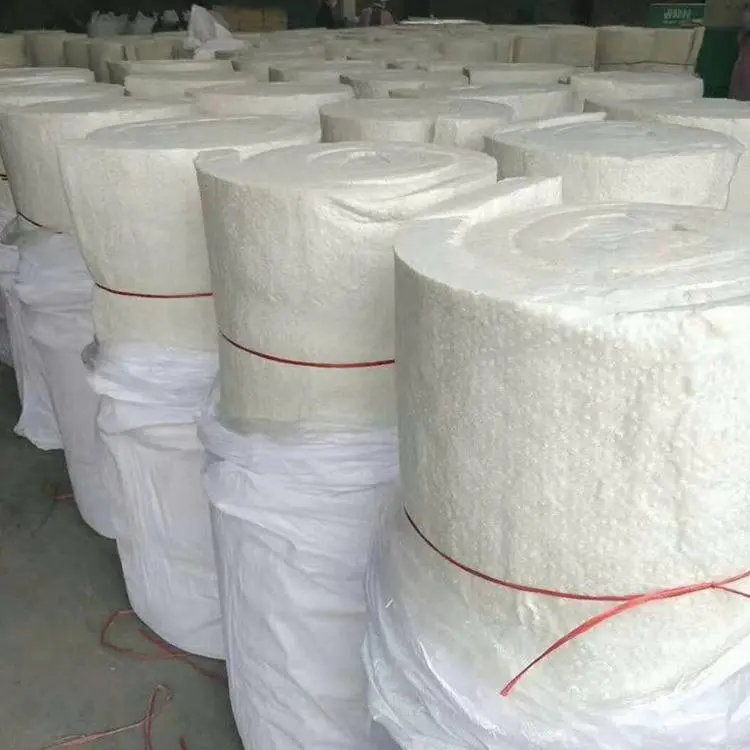
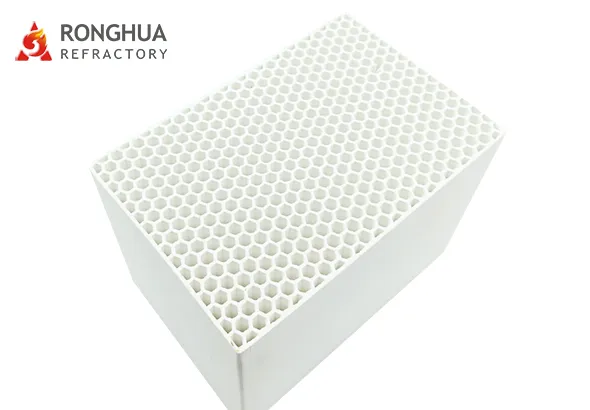
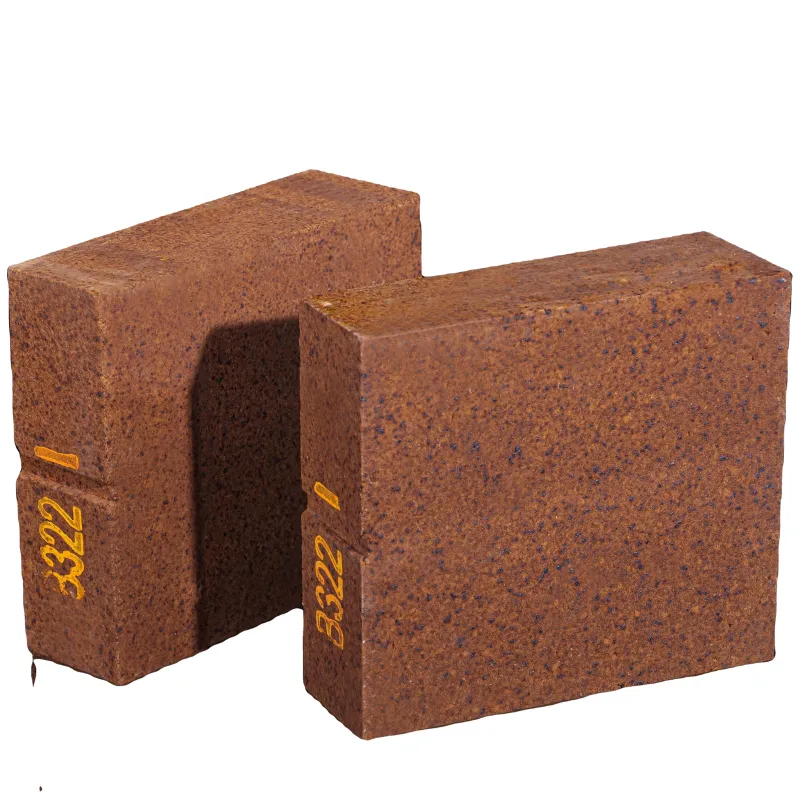
Proper installation and maintenance of zirconia ceramic fiber blankets are critical to ensuring the energy efficiency, safety, and longevity of high-temperature industrial furnaces—especially in steelmaking, power generation, and chemical processing industries.
Before installing any ceramic fiber blanket, clean the furnace wall surface thoroughly using a wire brush or compressed air to remove dust, oil, and old insulation residues. According to ISO 11357 standards, surface roughness should be between 1–3 mm to ensure optimal adhesion. Skipping this step can lead to premature delamination—up to 40% of early failures stem from poor base preparation.

Unlike rigid refractories, zirconia fiber blankets offer excellent flexibility, allowing precise fitting around complex geometries like nozzles or valves. Use a sharp utility knife and follow manufacturer guidelines for thickness (typically 50–100 mm). For best results, lay layers with staggered joints—this reduces heat loss by up to 15% compared to straight-lay methods.
Use stainless steel anchors spaced every 15–20 cm along the perimeter and every 30 cm internally for larger panels. In one case study from a German steel mill, improper fixing led to a 22% increase in thermal bridging within six months—a costly inefficiency that could have been avoided with proper mechanical anchoring.
Establish a routine inspection schedule: daily visual checks during operation, weekly structural assessments, and quarterly full-performance reviews. Look for signs such as discoloration (yellowish-brown indicates oxidation), cracking, or sagging—these often precede catastrophic failure by 2–4 weeks.
Most manufacturers recommend replacement after 18–24 months under continuous 1200°C+ conditions. However, in high-vibration environments like rolling mills, lifespan drops to 12–15 months. Monitor weight loss (>5%) and thermal conductivity increase (>10%) as key indicators.
“In our experience across 50+ plants, proactive monitoring cuts unplanned downtime by over 60% and extends blanket life by 25%.” — Dr. Lena Müller, Senior Refractory Engineer, Fraunhofer Institute
For industries like cement kilns or petrochemical reactors, where thermal shock is common, consider adding a protective outer layer or switching to alumina-zirconia composite blankets for better durability.
Get your custom installation plan and expert technical support tailored to your specific process conditions—from material selection to real-time damage detection systems.
Download Free Installation Checklist & Get Expert Consultation 84
|
84
|
 Calcium silicate fireproof board High-temperature fireproof material Energy saving Industrial insulation board Customized fireproof solution
415
|
high temperature industrial furnace insulation flexible ceramic fiber blanket insulation material selection guide energy saving insulation materials industrial furnace thermal performance
313
|
B2B digital marketing customer perception experience ceramic fiber chopped cotton refractory material export website content optimization
121
|
zirconia ceramic fiber blanket heat treatment process optimization high-temperature insulation material flexible ceramic fiber blanket thermal stability improvement
365
|
Ceramic fiber chopped cotton Product certification Cross - border e - commerce B2B foreign trade Refractory material certification
Calcium silicate fireproof board High-temperature fireproof material Energy saving Industrial insulation board Customized fireproof solution
415
|
high temperature industrial furnace insulation flexible ceramic fiber blanket insulation material selection guide energy saving insulation materials industrial furnace thermal performance
313
|
B2B digital marketing customer perception experience ceramic fiber chopped cotton refractory material export website content optimization
121
|
zirconia ceramic fiber blanket heat treatment process optimization high-temperature insulation material flexible ceramic fiber blanket thermal stability improvement
365
|
Ceramic fiber chopped cotton Product certification Cross - border e - commerce B2B foreign trade Refractory material certification


.png?x-oss-process=image/resize,h_100,m_lfit/format,webp)
.png?x-oss-process=image/resize,h_100,m_lfit/format,webp)
.png?x-oss-process=image/resize,h_100,m_lfit/format,webp)